
Pinellas County · Florida CAC-1822618
Heating Repair in Safety Harbor, FL
Most homes in Safety Harbor are heated by electricity. Census Bureau estimates show electricity heats 6,495 of the city's 6,858 occupied homes, so most homes here rely on electric equipment, such as a heat pump or heat strips, rather than a gas burner. This page is for Safety Harbor homeowners whose heat has stopped, blows cool or smells of burning on a cold night. It covers the three checks that are safe to make, what each symptom points to, and how to stay warm safely while you wait. Blume Mechanical Service is a licensed Florida contractor (license CAC-1822618) with its office in Belleair Bluffs, and Pinellas County is part of our core service area.
Which kind of heat does your Safety Harbor home have?
The American Community Survey's House Heating Fuel table counts occupied homes by the fuel that heats them. Its 2019 to 2023 estimates for Safety Harbor count 6,495 homes heated by electricity, 208 by utility gas and 57 by bottled, tank or LP gas. These are survey estimates with margins of error, but the pattern is plain: electric heat is the norm in this city.
Two kinds of electric central heat are described below.
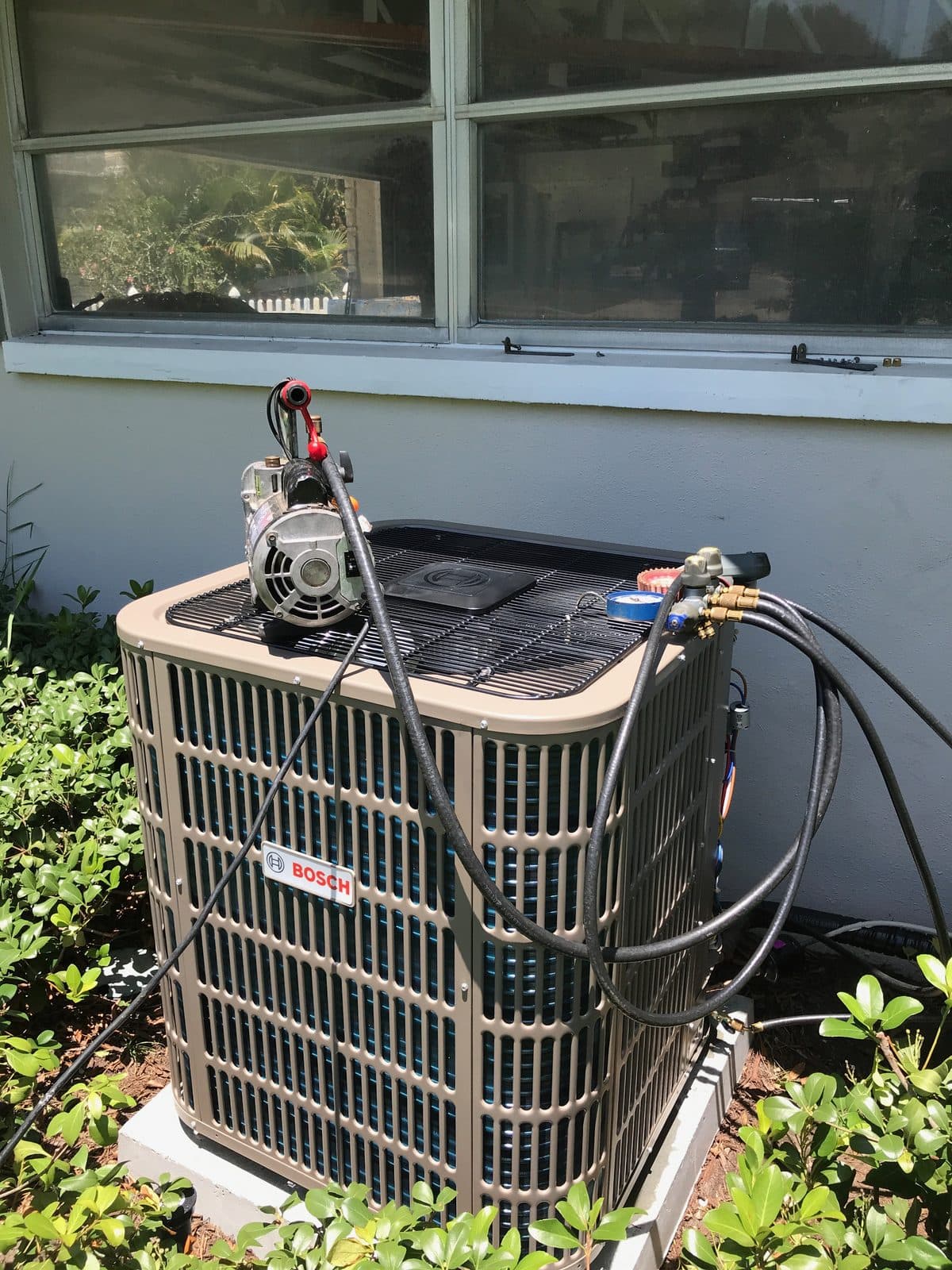
A heat pump. The Department of Energy (DOE) says a heat pump heats your home by collecting heat from the outside air and concentrating it indoors. It does double duty as the central air conditioner in summer, so the same outdoor unit works in both seasons.
An electric furnace or heat strips. Heat strips are electric heating elements inside the air handler, the indoor cabinet that holds the blower. A guide prepared for the DOE says electric furnaces heat through resistance, not combustion, and move the warm air through ducts with an air handler.
To tell which you have, set the thermostat to Heat and listen at the outdoor unit after a few minutes. If it runs, a heat pump is doing the work. If it stays quiet while warm air reaches the vents, the heat is coming from strips indoors, or the heat pump has stopped and the backup is carrying the load. Our guide on how to tell if you have a heat pump lists more signs.
If your home is one of the few with gas heat, say so when you call.
Three safe checks before you call
These need no tools and no panels opened. Stop at anything that feels unsafe.
- Thermostat settings. Confirm it is set to Heat, with the set temperature above the room reading. After a long cooling season it is easy to leave it on Cool. If the display is blank, note that for the technician.
- The air filter. Duke Energy, which the City of Safety Harbor lists under Power on its utilities page, advises checking the furnace filter monthly and replacing it when it looks dirty. Carrier, the equipment maker, says dirty filters restrict airflow.
- Vents, returns and the outdoor unit. The DOE advises keeping warm-air registers clear of furniture, carpeting and drapes. Clear anything stacked against the return grille as well. Duke Energy says to keep a heat pump's outdoor unit clear of grass and leaves around the coil.
If a breaker has tripped, leave it off and call a licensed contractor. Heat strips, their wiring and the air handler's electrical compartment are not for homeowners to open, and neither is anything involving refrigerant.
What the symptoms can point to
A diagnosis confirms the cause. These are the signs worth reporting when you call.
A burning smell on the first cold night
Carrier says a burning-dust odor at the start of the heating season is typically temporary, lasting from about 30 minutes to a few hours. If the smell persists beyond a few hours or grows stronger, Carrier says it should be investigated. Carrier recommends stopping use of a furnace when you detect a burning-plastic odor. Switch the heat off at the thermostat and call a licensed contractor.
A rotten-egg smell in a gas-heated home
Carrier calls a sulfur or rotten-egg smell the most serious odor a homeowner can notice. Its advice is to shut off the furnace if it is safe to do so, leave the area and contact the gas utility. Make that call before you call an HVAC contractor.
One room stays cold
The DOE says ducts carry air from the furnace and central air conditioner to each room. It adds that discomfort can often be fixed by dealing with blocked registers, stuck dampers, or disconnected or damaged ducts. Check that the room's register is open and unblocked. Duct repair is a job for the technician.
The house warms only on Emergency Heat
Duke Energy says the Emergency Heat switch turns off the heat pump, so a house that warms only on that setting points to a heat pump problem for a technician to diagnose. The next section explains the setting.
Emergency heat on a cold Safety Harbor night
Duke Energy refers to an 'emergency heat' setting on a heat pump's thermostat. It explains that this switch turns off the heat pump, leaving the backup heat to warm the house alone. Its advice is never to use the setting unless the heat pump is malfunctioning.
So if the heat pump has quit on a cold night, Emergency Heat is what the setting is for. Use it to keep the house warm, then book a diagnosis rather than running on it for weeks. Duke Energy warns that heating with the backup alone, without the heat pump, could sharply raise heating costs.
If the house will not warm even on Emergency Heat, the backup heat itself needs a technician. Our emergency heat guide explains the setting in more detail, and our guide to furnaces versus electric strip heat compares the two kinds of backup.
Staying warm safely while you wait
The Florida Department of Health in Pinellas County publishes advice on carbon monoxide (CO) for the time when temperatures drop and people try to keep their homes warm. CO is a colorless, odorless gas that can kill. The department lists headache, dizziness, weakness, nausea, vomiting, chest pain and confusion as common signs of poisoning. It also warns that people exposed while sleeping can die before they realize they are ill.
Its prevention list includes these points:
- No oven or stove top for heating the home.
- No portable, flameless, chemical heaters indoors.
- Generators at least 20 feet from the home, windows, doors and vents.
- Battery-operated or battery back-up CO detectors on every level, especially levels with fuel-burning appliances such as a furnace, water heater or fireplace.
- Yearly service of gas, oil or coal burning appliances by a qualified technician.
The US Consumer Product Safety Commission adds that CO alarms belong outside sleeping areas too. If you suspect CO poisoning, it says to get outside to fresh air immediately and then call 911.
A guide prepared for the DOE says unvented combustion space heaters can release dangerous combustion gases into the home and should not be used. It does not recommend portable space heaters either, citing their inefficiency and potential burn and tripping hazards. See our guides to space heaters and CO detector placement.
Safety Harbor homes and their heat
Most of Safety Harbor's housing dates from the 1970s and 1980s. The Census Bureau's 2019 to 2023 estimates count 3,641 of the city's 7,602 housing units as built from 1980 to 1989, and 1,698 from 1970 to 1979. Only 222 were built from 2010 to 2019, and 59 in 2020 or later.
Detached houses and their ducts
The same estimates count 4,960 detached single-family houses. In a house built in the 1970s or 1980s, the ducts are as old as the house unless someone has replaced them. A room that stays cold while the rest of the house warms is worth pointing out to the technician.
Mobile homes
The estimates also count 732 mobile homes in Safety Harbor. For manufactured homes built to the federal standard, 24 CFR 3280.707 says heat-producing appliances must be listed or certified for residential use by a nationally recognized testing agency. Fuel-burning heaters there must be the vented type, vented to the outside. Mention the home type when you call.
Repair now, or plan a replacement
A heating fault is easy to put off. But the DOE describes a heat pump as the home's central air conditioner too. A fault on the heating side can be a fault in the machine that cools the house all summer.
After the diagnosis, you get a written, upfront price before any work begins. The DOE says your contractor should give you information on the safety and cost effectiveness of repair versus replacement. Blume lays the two side by side and does not sell equipment a home does not need.
If replacement is the right call, the DOE says heat pumps are preferable in most climates when electricity is the only choice. Blume sizes new equipment with an ACCA Manual J load calculation and selects it with Manual S. Financing is available through Synchrony Bank, subject to approval.
Permits for Safety Harbor run through Pinellas County. The county says its Building and Development Review Services issues permits for Safety Harbor, and its directory tells city residents to contact Pinellas County Building Services for permitting and inspection requests. See our guide to Florida HVAC permits and when to replace a heat pump.
Blume Mechanical Service in Safety Harbor
Blume Mechanical Service, LLC is a Class A licensed Florida air conditioning contractor (license CAC-1822618) and is fully insured. Refrigerant work is done by EPA Section 608 certified technicians, the federal refrigerant-handling credential. We are brand-agnostic and service all major manufacturers' equipment. Our office is at 2840 West Bay Drive #114, Belleair Bluffs, FL 33770, and our core service area is Pinellas, Hillsborough and Pasco counties.
Our Safety Harbor HVAC page lists every service in the city, and the Safety Harbor AC repair page covers storm and flood questions.
What to have ready when you call
- Whether the outdoor unit runs with the thermostat on Heat.
- The thermostat mode, the set temperature and the room reading.
- Whether a breaker has tripped. Leave it off.
- Any smell, and whether it faded or grew stronger.
- Whether your heat is electric or gas, and whether the home is a detached house, attached home, condo or mobile home.
- Whether anyone at home is elderly, very young or unwell in the cold.
Frequently asked
Is a burning smell normal the first time the heat runs?
A dusty smell often is. Carrier says a burning-dust odor at the start of the heating season typically lasts from about 30 minutes to a few hours. A smell that lasts longer, grows stronger or smells like burning plastic should be investigated. Switch the heat off at the thermostat and call a licensed contractor.
Should I switch to Emergency Heat if my heat pump stops?
Yes, for a cold night while you wait for a repair. Duke Energy says the setting turns off the heat pump and should only be used when the heat pump is malfunctioning. It also warns that running the backup heat alone could sharply raise heating costs, so book a diagnosis rather than relying on it.
Can I heat the house with the oven or a space heater until the repair?
Not with the oven. The Florida Department of Health in Pinellas County says not to heat a home with an oven or stove top, and not to use portable, flameless, chemical heaters indoors. A guide prepared for the DOE says unvented combustion space heaters should not be used and does not recommend portable space heaters.
Do I need to call a pro for this?
Maybe. If the thermostat was on the wrong mode, the filter was clogged, or a register, return or the outdoor unit was blocked, you may not need us. Call a licensed contractor if a breaker has tripped, the heat runs but the house will not warm, or you smell burning plastic. Refrigerant, wiring, heat strips and gas burners are never do-it-yourself jobs. If you smell gas, leave the home and call your gas utility first.
How soon can Blume get to a Safety Harbor home with no heat?
Blume offers 24/7 emergency HVAC service, with same-day response available based on location and technician availability. That describes availability, not a promised arrival time. A person answers the 24/7 dispatch line, and paid priority scheduling is also offered.
Homeowner guides
For heating repair in Safety Harbor, FL, call Blume Mechanical Service at 727-330-9131.
References: House Heating Fuel (Table B25040), American Community Survey 5-Year Estimates 2019-2023, Safety Harbor city, Florida - US Census Bureau · Year Structure Built (Table B25034), American Community Survey 5-Year Estimates 2019-2023, Safety Harbor city, Florida - US Census Bureau · Units in Structure (Table B25024), American Community Survey 5-Year Estimates 2019-2023, Safety Harbor city, Florida - US Census Bureau · Utilities & Communications Providers | Safety Harbor FL - Official Website · Tips for saving on your winter heating bill - Duke Energy · Energy Saver Guide: Tips on Saving Money and Energy in Your Home - US Department of Energy · Energy Renovations, Volume 14: HVAC, A Guide for Contractors to Share with Homeowners - US Department of Energy Building America · EPI WATCH, January 2023: Avoid Carbon Monoxide Poisoning When Temperatures Drop - Florida Department of Health in Pinellas County · Carbon Monoxide | CPSC.gov · Burning Smell in House? Discover How To Get Rid of It - Carrier · 24 CFR § 3280.707 Heat producing appliances - Legal Information Institute · Building Departments in Pinellas County - Pinellas County
Also in Safety Harbor: AC repair in Safety Harbor · Heat pump repair in Safety Harbor · AC maintenance in Safety Harbor
Residential Heating Repair nearby: Heating repair in Largo · Heating repair in Tampa · Heating repair in St. Petersburg · Heating repair in Clearwater