
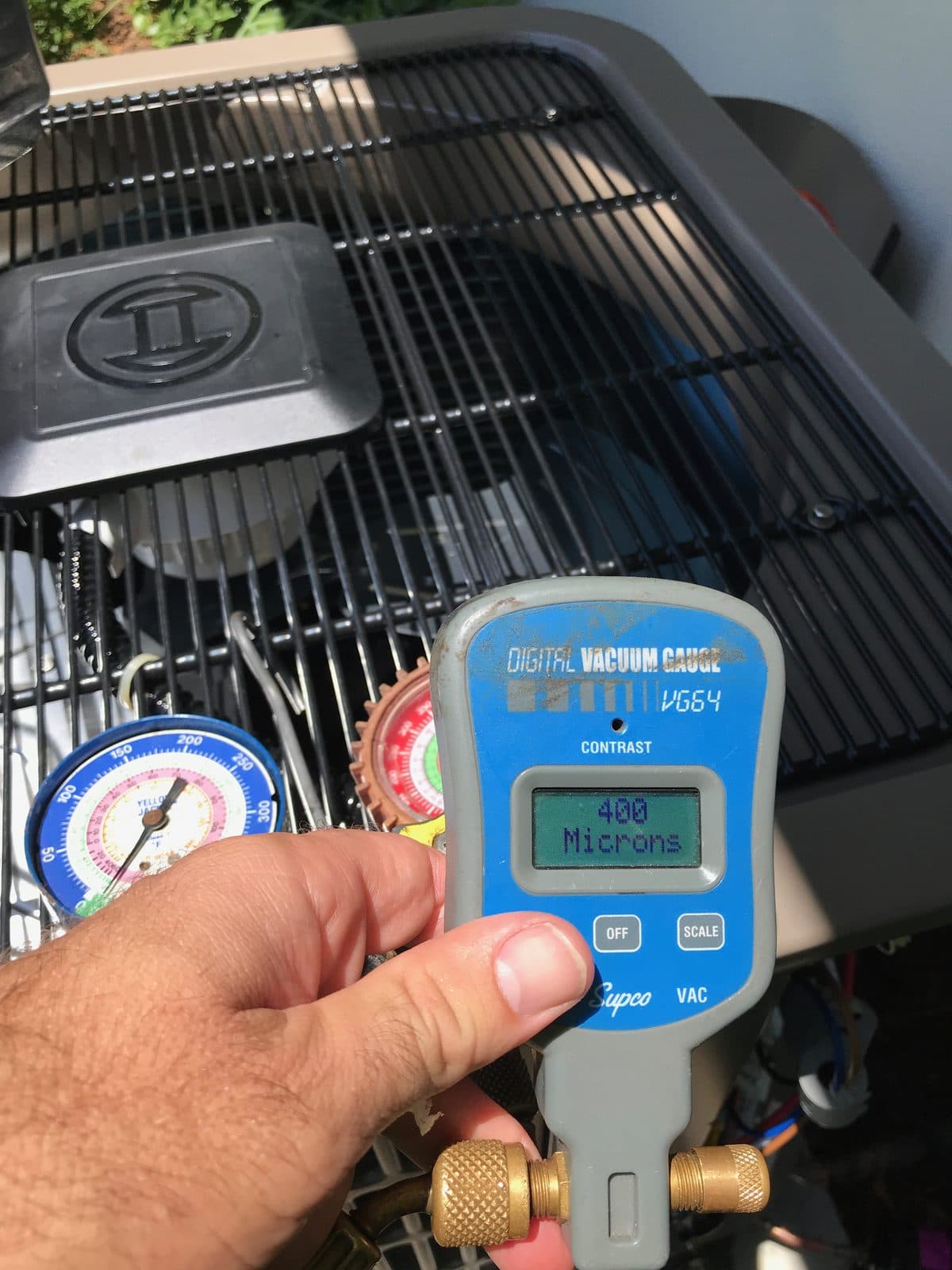
Hillsborough, Pinellas, Pasco, Manatee, Sarasota, Polk and Hernando Counties · Florida CAC-1822618
HVAC Careers & Licensing in Florida in Tampa Bay, Florida
This page explains how HVAC licensing actually works in Florida — the difference between a certified and a registered contractor, what the state requires before you can sit for the exam, and the realistic paths from no experience to a license. Blume Mechanical Service is a licensed Tampa Bay mechanical contractor, Florida CAC-1822618.
Most of what gets written about HVAC licensing in Florida is produced by schools selling courses. This page is written by a contractor who holds the license and hires the people who are working toward one. The trade has a genuine shortage of qualified technicians, which means the path is worth understanding clearly rather than being sold a shortcut.
Certified versus registered — the distinction that confuses everyone
Florida issues contractor licenses through the Department of Business and Professional Regulation, and the first thing worth understanding is that there are two different kinds of license, not one.
A certified contractor is licensed at the state level and may work anywhere in Florida. A registered contractor is licensed to work only in the specific local jurisdictions that granted the underlying competency card. Both are legitimate licenses; they simply carry different geographic scope. A great many people who describe themselves as licensed are registered rather than certified, and the difference matters enormously if you intend to work across county lines — which in the Tampa Bay region you almost certainly will, since a single service area here can span Hillsborough, Pinellas and Pasco within a normal working day.
Air conditioning contractor licenses are also divided by class. A Class A air conditioning contractor works without a capacity limit. A Class B is limited by the size of the equipment — a ceiling expressed in cooling tons and heating BTU capacity. That distinction determines whether you can take on large commercial work or are restricted to residential and light commercial equipment. Anyone planning a career around commercial mechanical work should understand which class the path they are on actually leads to.
Florida also maintains local licensing tiers in some counties on top of state licensure. Hillsborough County, for example, issues its own contractor licenses alongside the state's, and Pinellas County runs countywide licensing through the Pinellas County Construction Licensing Board. Verify the current requirements directly with DBPR and with the county you intend to work in, because these details change and the consequences of getting them wrong fall on you.
What the state actually requires before the exam
Florida does not let you simply take a test. Before sitting for the licensing examination you must demonstrate a combination of experience and education, along with financial responsibility and insurance requirements that surprise most first-time applicants.
The experience requirement is the part that shapes a career. The state recognizes documented work experience in the trade, and it recognizes combinations of formal education and experience — which is why a technical program can shorten the timeline but does not eliminate the requirement to actually work in the field. There is no version of this path that skips the field.
That is the single most useful thing to understand if you are starting out: your first job matters more than your first course. Documented, verifiable time working under people who know the trade is the currency the state accepts. A certificate from a program that never put you on a roof is worth less to a licensing board, and considerably less to an employer, than two years of real service calls.
Because the specific hour counts, acceptable education substitutions, examination structure and financial requirements are set by the state and revised periodically, confirm the current rules on the DBPR website rather than relying on any third-party summary — including this one.
EPA Section 608 is separate, and you need it first
One credential is worth sorting out early because it is federal rather than state, it is required much sooner than a contractor license, and it is far less demanding to obtain.
Under the federal Clean Air Act, technicians who maintain, service, repair or dispose of equipment containing regulated refrigerants must be certified under EPA Section 608. The certification is divided by equipment type — small appliances, high-pressure systems, low-pressure systems, and a universal certification covering all of them. It is a knowledge examination rather than an experience requirement, which means it is achievable at the very beginning of a career.
In practical terms, Section 608 certification is what allows an entry-level technician to be genuinely useful on a job rather than only carrying tools. It is also what an employer will ask about first. If you are trying to decide what to do in the next month rather than the next four years, this is the answer.
Note that this is a certification, not a license. It permits you to handle refrigerant. It does not permit you to contract for work, pull permits, or hold yourself out as a contractor. Those require the state license discussed above.
The realistic path, and what nobody tells you about it
There is no single route, but the paths that actually work tend to share a shape. Someone gets Section 608 certified early. They find work with a company that does real service rather than only installations, because service is where diagnosis is learned and diagnosis is the skill that separates a technician from a parts changer. They accumulate documented experience. Somewhere in there they may add formal coursework, which helps with the theory that field work alone teaches unevenly. Eventually they meet the state's requirements and sit for the exam.
The part that gets left out of most descriptions is that the middle of that path is long, and its quality depends almost entirely on who you work for. Two technicians with the same four years can be very different practitioners. One spent it replacing capacitors and contactors under instruction and never learned to measure anything. The other was taught to take static pressure, to read superheat and subcooling against a manufacturer's method, to understand why a coil below the air's dew point is what actually dehumidifies a building, and to write down what they measured.
The trade is short of the second kind. That shortage is real, it is why compensation in skilled mechanical trades has moved, and it is why a well-trained technician in this region is not short of options.
Commercial mechanical work adds another dimension worth knowing about early. Rooftop units, chillers, cooling towers, variable refrigerant flow systems and building automation are different disciplines from residential change-outs, and they generally pay accordingly. If that is where you want to end up, it is worth choosing employers with that work in the building rather than assuming you can pick it up later.
Working at Blume
We assess technicians at the start, but the part that actually develops someone is what comes next: we pair a new technician with somebody who knows what they are doing, and we keep them paired for months of on-the-job training. Not a week of shadowing. Months. That is where the trade is genuinely learned, and it is why who you work for in your first few years matters more than almost anything else you do.
EPA Section 608 happens right away. If a technician is going to handle refrigerant, they get certified — that is not something we defer until someone has proven themselves, because it is a legal requirement and it is also what lets a new technician be genuinely useful on a job instead of carrying tools.
We will hire someone without a journeyman. In fact there is an argument that a little on-the-job time before starting journeyman coursework is better, because the classroom makes considerably more sense once you have had your hands on the equipment it describes. But we strongly encourage getting the journeyman afterward. The bookwork and the credential matter for a career over the long term in ways that field experience alone does not cover.
And it does not stop there. We encourage senior technicians to pursue a mechanical contractor license, and we have a support system in place for people doing it. That is a deliberate choice. A company that only wants technicians will keep people at the level it hired them at; a company that helps its senior people get licensed is building somewhere a career can actually go.
Frequently asked
What is the difference between a certified and a registered HVAC contractor in Florida?
A certified contractor is licensed at the state level and may work anywhere in Florida. A registered contractor may work only in the local jurisdictions that granted the underlying competency card. Both are real licenses, but the geographic scope differs — which matters a great deal in a region where a normal service area crosses several counties.
Do I need a license to work as an HVAC technician, or only to run a company?
The contractor license is what allows a business to contract for work and pull permits. Technicians working for a licensed contractor generally operate under that contractor's license. What a technician does need in their own name, early, is EPA Section 608 certification to handle refrigerant. Confirm current requirements with DBPR, as the rules are set by the state and revised periodically.
How long does it take to get an HVAC license in Florida?
Longer than most course marketing implies. Florida requires documented experience — or a recognized combination of education and experience — before you can sit for the examination, so there is no path that avoids working in the field. Formal training can shorten the timeline but does not replace the experience requirement. Verify current specifics with DBPR.
What should I do first if I want to start in this trade?
Get EPA Section 608 certified, and then be deliberate about who you work for. The certification is achievable quickly and makes you genuinely useful on a job. The employer choice is what determines whether the next four years teach you to diagnose or only to replace parts — and that difference is what your career is actually built on.
Is commercial HVAC a different career path than residential?
Substantially. Rooftop units, chillers, cooling towers, VRF systems and building automation are distinct disciplines with their own body of knowledge, and they generally compensate accordingly. If commercial mechanical work is the goal, it is worth working somewhere that actually performs it rather than expecting to transition later.
Interested in a career in commercial and residential mechanical work in Tampa Bay?
References: Florida Department of Business and Professional Regulation — contractor licensing (certified vs registered, license classes) · US EPA — Section 608 technician certification under the Clean Air Act · Hillsborough County contractor licensing; Pinellas County Construction Licensing Board · County profile research, data/county-profiles.json