
HVAC, explained
AC Maintenance Checklist for Florida Homes
Genuine Florida AC maintenance covers cleaning the indoor and outdoor coils, clearing and treating the condensate drain line, changing filters on a regular cadence, verifying refrigerant charge and airflow, checking electrical connections, and rinsing salt off coastal units. The work splits into homeowner tasks, mainly frequent filter changes and keeping the outdoor unit clear, and professional tasks like checking charge, testing electrical components, and deep-cleaning coils. Because Florida runs its systems most of the year in high heat and humidity, maintenance here is less optional than in mild climates, since neglected coils, clogged drains, and dirty filters cause the most common and preventable failures.
Florida is one of the hardest climates in the country on an air conditioner. The system runs most of the year against heavy heat and humidity, salt air works on coastal units, and a clogged condensate drain in a humid environment can cause real damage. That combination makes regular maintenance more important here than in places where the system rests half the year. This guide lays out what genuine seasonal maintenance actually covers in Florida specifically, which tasks a homeowner can handle, which belong to a professional, and why the humid climate makes certain items, especially the drain line and the coils, matter more than most people expect.
Filters and airflow: the homeowner's most important job
The single most valuable thing a homeowner can do for a Florida air conditioner is keep the filter clean. A filter's job is to keep dust and debris out of the system, and when it clogs, it chokes the airflow the whole system depends on. Restricted airflow across the indoor coil makes the system work harder, cool less effectively, and in humid conditions it can even lead to the coil freezing, because reduced airflow lets the coil get too cold. The right filter cadence in Florida is more frequent than the packaging often suggests, because the system runs so many hours a year and pulls so much air through the filter. A home with pets, heavy dust, or occupants with allergies will need changes more often still. Rather than following a fixed calendar blindly, it helps to check the filter regularly and replace it once it looks loaded, then learn the rhythm your particular home settles into. It is also worth resisting the temptation to install the thickest, most restrictive filter available in the belief that denser is always better. A filter that is too restrictive for the system can choke airflow much like a dirty one, so the filter should match what the system is designed to handle. Keeping return air paths open matters too: blocked return vents, closed-off rooms, and furniture pushed against grilles all starve the system of the airflow it needs. Airflow is the foundation everything else rests on, and it is the part most directly in the homeowner's hands between professional visits.
The condensate drain line: a Florida priority
In a humid climate, the condensate drain line deserves far more attention than most homeowners give it, and it is one of the most common causes of preventable trouble in Florida. As the system cools the home, it pulls moisture out of the air, and that water collects and drains away through the condensate line. In Florida's humidity, the system removes a great deal of water, so the drain runs constantly through the cooling season. That steady flow of water in a warm, dark line is exactly the environment where algae and biological slime grow, and over time that growth can clog the drain. When the line clogs, the water has nowhere to go. Depending on the system, that can trigger a safety switch that shuts the unit off, or it can cause an overflow that leads to water damage around the air handler. Either way, a clogged drain is a frequent and frustrating source of no-cooling calls, and it is largely preventable. Keeping the drain clear is partly a homeowner task and partly a professional one. Homeowners can help by keeping an eye on the drain and its pan and watching for signs of backup, and many systems have an accessible cleanout that can be flushed periodically. A professional visit typically includes clearing and treating the line to slow the biological growth that causes clogs in the first place. Because the consequences of a clogged drain in a humid climate range from a shut-down system to actual water damage, the drain line is one of the items where Florida maintenance genuinely differs from maintenance in a dry climate, and it is worth treating as a priority rather than an afterthought.
Coil cleaning, indoor and outdoor
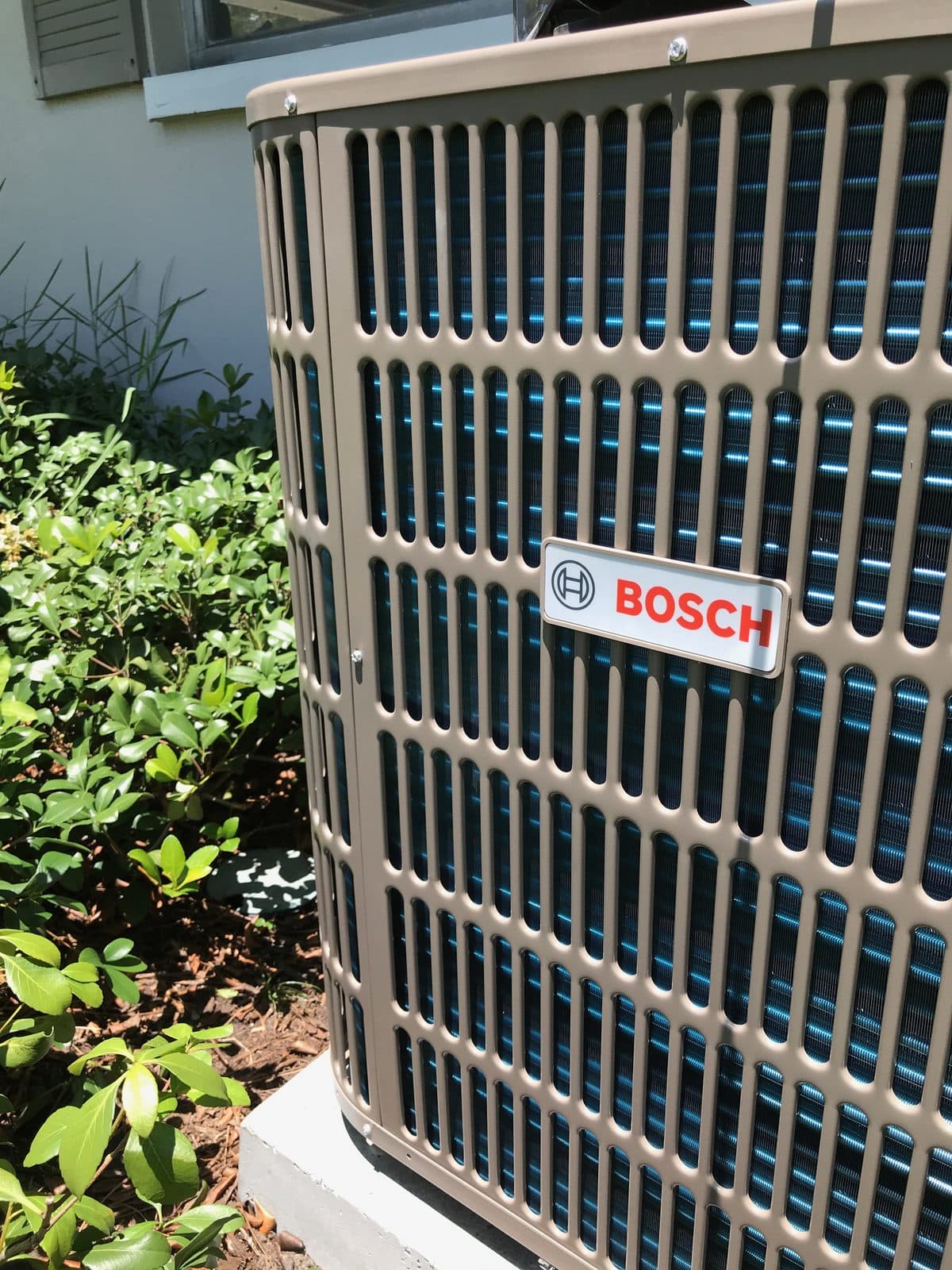
An air conditioner has two coils, and both need to stay clean to do their jobs. The outdoor condenser coil rejects the heat pulled out of the home, and the indoor evaporator coil is where the system absorbs heat and removes humidity from the indoor air. When either coil is dirty, heat cannot move the way it needs to, and the whole system suffers. The outdoor coil sits in the open and collects dust, grass clippings, pollen, and general debris, and in Florida it faces those for most of the year. A dirty outdoor coil cannot shed heat efficiently, which raises the system's operating pressure and makes the compressor work harder while delivering less cooling. Keeping the area around the outdoor unit clear of plants, mulch, and clutter is a homeowner task that helps the coil breathe. The indoor coil is a different matter. Because it is constantly wet with condensation as it removes humidity, it can accumulate dust and grime that turn into a sticky buildup, and in a humid climate that damp environment can also encourage biological growth on the coil. A dirty indoor coil loses its ability to both cool and dehumidify effectively. Coil cleaning done properly is largely a professional task, especially for the indoor coil, which is not easily accessible and can be damaged by aggressive cleaning. It is worth noting that a casual garden-hose rinse of the outdoor coil aimed from the outside can actually push dirt deeper into the coil rather than clearing it; proper coil cleaning is done from the correct direction and is a different job from a quick rinse. Clean coils are central to a system that cools efficiently and controls humidity well, which is exactly what a Florida home needs.
Refrigerant charge, electrical, and the professional checklist
Several of the most important maintenance items are ones a homeowner cannot safely or accurately do alone, and these make up the core of a professional visit. Checking the refrigerant charge is one of them. A system works properly only when it holds the correct amount of refrigerant, and a charge that is off, whether low from a leak or simply incorrect, hurts both efficiency and the ability to remove humidity, and can stress the compressor over time. Verifying charge requires gauges and training, and importantly, low refrigerant is a symptom of a leak rather than something that is normally consumed, so the right response is to find and address the leak, not to simply top it off and move on. The electrical side is another professional priority, and it matters especially in Florida's humid and coastal environment. Contactors, capacitors, terminals, and wiring all wear and corrode, and a technician checks these connections, tests the components that start and run the system, and looks for the early signs of electrical trouble before they cause a failure. Corroded or loose electrical connections can create heat and intermittent faults that leave a system unreliable. A thorough professional visit also confirms airflow is adequate, inspects the drain and pan, cleans the coils, checks the thermostat and controls, and looks over the system as a whole for the small problems that are cheap to catch early and expensive to ignore. The value of professional maintenance is largely in catching these developing issues before they become no-cooling emergencies during the hottest part of the year, which in Florida is a long stretch. Pairing frequent homeowner attention to filters and the outdoor unit with periodic professional service covers the full picture.
Coastal homes: the salt rinse
Homes near the coast have one maintenance item that inland homes do not, and it is worth calling out on its own: rinsing salt off the outdoor unit. Salt-laden coastal air is corrosive, and it settles on the outdoor condenser coil and on the exposed electrical components every time humid ocean air passes through the unit. Over time that salt accelerates corrosion of the aluminum fins and copper tubing in the coil, and it attacks contactors, terminals, and wiring on the electrical side as well. Periodically rinsing the accumulated salt off the outdoor coil with fresh water helps slow the buildup that drives this corrosion, and for a unit near open salt water it is a reasonable habit to build into a maintenance routine. But it is important to be honest about the limits of a rinse. Rinsing does not reverse corrosion that has already taken hold; it only slows further accumulation. And a casual rinse aimed at the unit from the outside, done carelessly, can push debris deeper into the coil rather than clearing it, so a gentle fresh-water rinse of the coil surface is different from the aggressive spraying that can do harm. For homes right on the water, salt exposure is severe and constant, and the outdoor unit is under attack in a way an inland unit never experiences. The salt rinse is a modest homeowner habit that helps, but it works alongside, not instead of, the corrosion-resistant equipment choices and professional attention that a genuinely coastal installation calls for. Treating the whole outdoor unit as an environment under attack from salt, rather than focusing on the coil alone, leads to more reliable results near the water.
Frequently asked
How often should I change my AC filter in Florida?
More often than the filter packaging usually suggests, because a Florida system runs so many hours a year and pulls a large volume of air through the filter. Homes with pets, heavy dust, or allergy sufferers need changes more frequently still. Rather than following a fixed calendar blindly, check the filter regularly and replace it once it looks loaded, then learn the rhythm your home settles into. Avoid installing an overly thick, restrictive filter thinking denser is better; a filter too restrictive for the system chokes airflow much like a dirty one does, and airflow is the foundation the whole system depends on.
Why does my AC drain line keep clogging?
Because in Florida's humidity the system removes a great deal of water, so the condensate line runs constantly through the cooling season. That steady flow of water in a warm, dark line is the ideal environment for algae and biological slime to grow, and that growth is what clogs the drain. A clogged line can trip a safety switch that shuts the system off, or overflow and cause water damage near the air handler. Keeping the line clear and treated to slow the biological growth is a normal part of Florida maintenance, and it is one of the items that genuinely differs from maintenance in a dry climate.
Which AC maintenance tasks can I do myself?
The homeowner's most valuable jobs are checking and replacing the filter on a regular cadence, keeping return vents and grilles unobstructed, and keeping the area around the outdoor unit clear of plants, mulch, and debris so the coil can breathe. Near the coast, periodically rinsing salt off the outdoor coil with fresh water helps too. Tasks that require training and tools, such as checking refrigerant charge, testing electrical components, and deep-cleaning the indoor coil, belong to a professional. Low refrigerant in particular signals a leak that should be found and fixed, not simply topped off.
Is professional AC maintenance really necessary in Florida?
It matters more here than in mild climates because the system runs most of the year against heavy heat and humidity, so problems that would stay dormant elsewhere develop faster. A professional visit checks refrigerant charge and airflow, tests electrical components, clears and treats the drain line, cleans the coils, and looks over the system for small issues that are cheap to catch early and expensive to ignore. Much of the value is in catching a developing problem before it becomes a no-cooling failure during the hottest stretch of the year, which in Florida is a long one. It works best paired with frequent homeowner attention to filters.
Do I need to call a pro for this?
Maybe. Three items on the list are yours and matter more than the rest put together: change the filter on schedule, leave the thermostat in a sensible mode rather than chasing it, and keep the outdoor unit and the returns clear. The measured parts of a tune-up - charge, airflow, electrical readings, drain integrity - need a licensed contractor's instruments, and a visit that does not produce readings has not checked anything.
Related
Blume Mechanical Service is a licensed commercial and residential HVAC contractor serving Florida's Tampa Bay region (CAC-1822618). Seasonal maintenance in this climate is largely about catching small problems before the hottest months, and it pairs well with the filter and drain attention a homeowner can give between visits.
Last updated: 2026-11-05
Sources: US Department of Energy — air conditioner maintenance and airflow · ENERGY STAR — HVAC maintenance guidance (generalized) · US EPA — condensate and indoor air quality considerations (generalized) · General HVAC engineering principles (coil heat transfer, refrigerant charge, condensate management)