
HVAC, explained
Coastal Coil Protection: Coated vs Standard
Salt-laden coastal air corrodes the outdoor condenser coil and shortens equipment life for units near the ocean, often faster than anything happening inside the system. Factory-applied coil coatings and corrosion-resistant designs meaningfully extend that life and can change the long-term economics of ownership. Whether the added protection is worth it depends largely on how close the unit sits to open salt water.
If your air conditioner lives within reach of ocean air, salt is quietly working against it. The outdoor coil is the part most exposed, and salt corrosion there is gradual, easy to overlook, and expensive once it takes hold. This guide explains how salt attacks the coil, why coated and corrosion-resistant designs exist, and how to decide whether that protection is worth specifying.
Why salt air attacks the coil
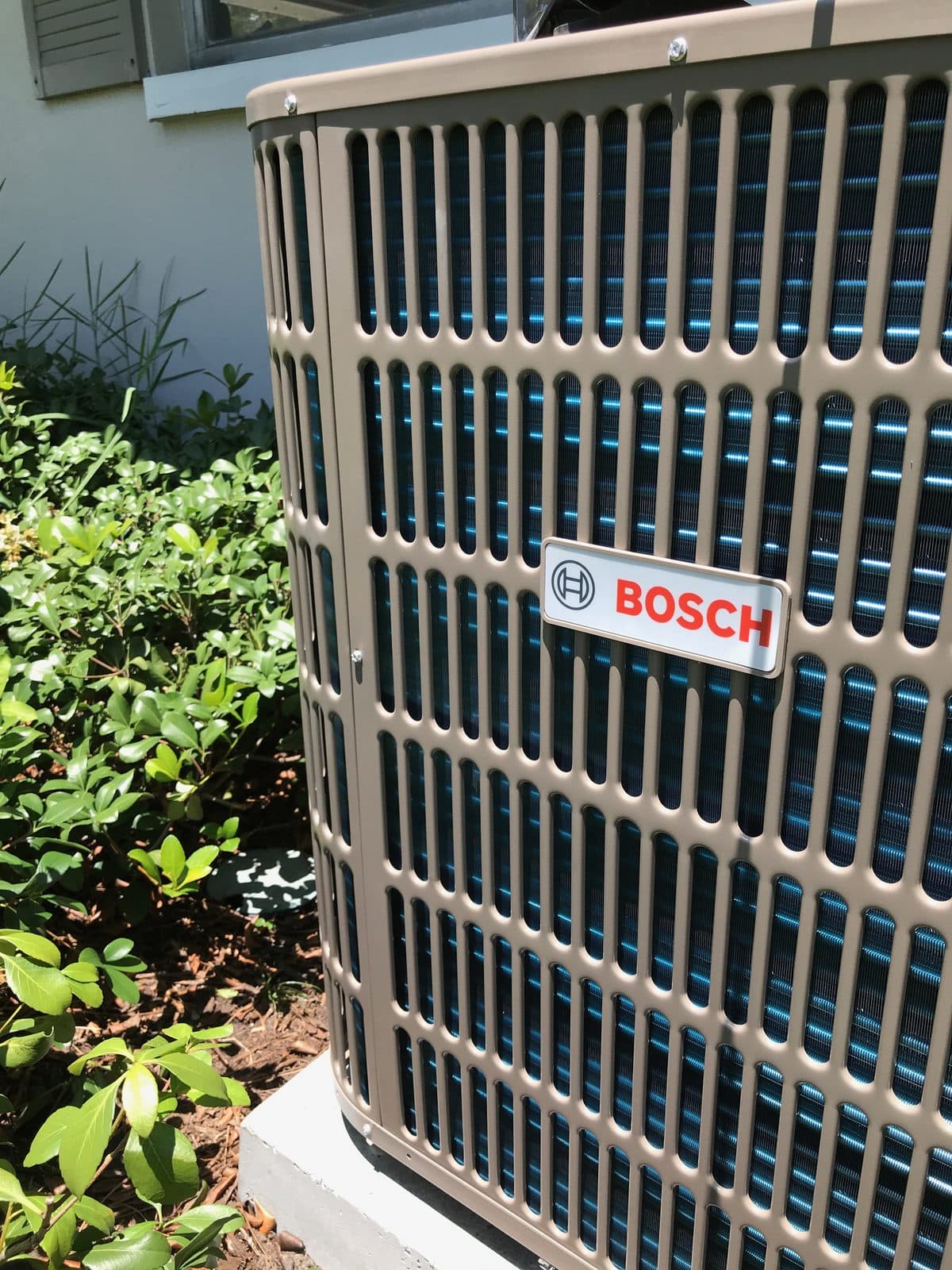
The outdoor condenser coil is where the air conditioner rejects the heat it pulls out of the home. That coil is built from aluminum fins bonded to copper (or aluminum) tubing, and both of those metals sit in the path of whatever the outdoor air carries. Near the coast, that air carries salt. Salt is corrosive to aluminum and copper on its own, and it becomes more aggressive where two dissimilar metals meet. Where aluminum fin touches copper tube, salt and moisture create the conditions for galvanic corrosion, a process in which one metal corrodes faster because it is electrically coupled to another in the presence of a salty, conductive film. The result shows up in two places: a general breakdown at the coil face, and accelerated attack at the joints between the different metals. As the fins corrode and the surface degrades, the coil loses its ability to shed heat efficiently. Restricted heat rejection raises the system's head pressure, which forces the compressor to work harder while delivering less cooling capacity. Over time that combination shortens the usable life of the equipment. The important thing to understand about this damage is that it is cumulative rather than sudden. There is rarely a single failure moment. Instead the coil degrades a little each season, cooling gets a little weaker and a little more expensive to run, and the problem stays easy to ignore right up until it becomes costly to fix. That slow timeline is exactly what makes salt corrosion so easy to underestimate. By the time cooling is visibly weaker or the electric bill has crept up, the coil has usually been degrading for years, and the condition is far past the point where a simple correction would have helped. It is worth picturing what is happening at the metal itself: a thin, salty film settles on the fins every time humid coastal air passes through, and each cycle leaves a little more salt behind to keep the reaction going. The coil never really gets a break from it, which is why proximity to salt water is such a strong predictor of how quickly the damage accumulates.
On the coast, the coil often ends the system first
Most homeowners assume the compressor is the part that decides how long an air conditioner lasts. It is the expensive component, it does the hardest mechanical work, and it is usually the failure people plan around. Inland, that instinct is often right. On the coast, it frequently is not. Near open salt water, the coil regularly reaches the end of its serviceable life before the compressor does. A coil that has corroded past the point of rejecting heat properly is, in practical terms, a system that can no longer do its job, even if the compressor is still mechanically sound. This changes the math in a way that catches people off guard. When a coastal system starts underperforming, the temptation is to look at the compressor, because that is the part everyone expects to be the problem. But pouring money into a compressor that sits behind a badly corroded coil is spending on the wrong part. The coil is still choking heat rejection, the head pressure is still elevated, and the underlying condition that was stressing the compressor in the first place has not been addressed. Recognizing that the coil is often the life-limiting component on the coast reframes how to think about protection. It means the coil is not a secondary concern behind the compressor; near salt water it can be the single component that most determines how many good years the equipment delivers.
Coated coils and corrosion-resistant designs
Because salt corrosion is a known problem near coastlines, manufacturers offer ways to slow it down. The two broad approaches are protective coatings and corrosion-resistant construction. A coil coating is a protective layer, commonly an epoxy or similar barrier finish, applied over the coil so that salt and moisture contact the coating rather than the bare metal underneath. The coating puts a barrier between the corrosive environment and the aluminum and copper it would otherwise attack. The second approach is design and metallurgy: coils built with materials or fin-and-tube configurations that are inherently more tolerant of a salt environment, so that corrosion progresses more slowly even before any coating is considered. Neither approach makes a coil immune. Salt is persistent, and no coating or alloy stops corrosion forever. What these protections do is meaningfully extend the coil's service life in a salt environment, and that extension is enough to change the economics of ownership rather than just delaying the inevitable by a token amount. A coil that resists salt for a substantially longer stretch of its life can shift a replacement decision by a meaningful margin. It is worth being honest about the limits here: coatings and corrosion-resistant designs buy time and durability, not permanence, and the right expectation is a longer, healthier service life, not an indestructible unit.
It is not just the coil: the electrical side
Salt does not stop at the coil. The same corrosive air reaches every exposed metal surface in the outdoor unit, including the electrical components that keep it running. Contactors, terminals, disconnects, and outdoor wiring are all vulnerable, and corrosion on these parts behaves differently from corrosion on the coil. Instead of slowly throttling performance, corroded electrical connections tend to produce intermittent faults: connections that make and break unpredictably, components that work one day and misbehave the next, and problems that are frustrating to diagnose precisely because they come and go. A corroded contactor may chatter or fail to pull in reliably; corroded terminals and connections can create resistance and heat where there should be a clean electrical path. These faults can leave a system unreliable even when the refrigerant side is otherwise healthy. The takeaway is that coastal protection is a whole-unit consideration, not a coil-only one. Thinking only about coating the coil while ignoring the electrical components misses a real source of coastal failures. A durable coastal installation accounts for the fact that salt is attacking the contactors, terminals, disconnect, and wiring at the same time it is attacking the fins, and that the electrical failures it causes can be just as disruptive as the loss of cooling capacity from a corroded coil. The pattern is worth keeping in mind when a coastal system starts behaving unpredictably: an intermittent fault that comes and goes with the weather, or a unit that trips and resets for no obvious reason, can be a symptom of corrosion on the electrical side rather than a problem with the refrigerant circuit at all. Treating the outdoor unit as a single environment under attack, rather than a coil to protect and everything else to ignore, leads to more reliable coastal outcomes.
How to decide: distance from salt water
The single most useful factor in deciding whether to pay for coil protection is how much salt the unit is actually exposed to, and that comes down largely to distance from open salt water. Salt exposure is highest right at the water and drops off as you move inland, but it does not vanish at the edge of the beach. Onshore breezes carry salt aerosols well past the immediate shoreline, so units a fair distance from the water can still see meaningful salt exposure, just less than those directly on it. For a unit sitting directly on the water or on a barrier island, salt exposure is severe and constant, and coatings or corrosion-resistant designs are strongly worth considering. Further inland, where salt reaches the equipment only faintly, corrosion is rarely what ends a system's life, and the same coating moves closer to optional than essential. The other half of the decision is timing. Coil protection is far cheaper to specify at purchase or replacement than to wish for later, because coatings and corrosion-resistant construction are things you choose when the equipment is selected, not features you can meaningfully add after a coil has already been corroding in place. That makes replacement the natural moment to make the call. Finally, a word on maintenance, which applies regardless of whether a coil is coated: periodically rinsing accumulated salt off the outdoor coil with fresh water helps slow the buildup that drives corrosion. But rinsing has real limits. It does not reverse corrosion that has already taken hold, and a casual garden-hose rinse aimed from the outside can actually push dirt and debris deeper into the coil rather than clearing it. Proper coil cleaning, done correctly and from the right direction, is a different task from a quick outdoor rinse, and it is worth treating them as distinct.
Frequently asked
Is a coated coil worth it if I live near the coast?
It depends mostly on how close you are to open salt water. Directly on the water or on a barrier island, salt exposure is severe and a coated or corrosion-resistant coil is strongly worth considering. Well inland, where salt reaches the unit only faintly, corrosion rarely ends a system's life and the coating is closer to optional. The decision is best made at purchase or replacement, because protection is far cheaper to specify up front than to add later.
What is galvanic corrosion and why does salt make it worse?
Galvanic corrosion happens when two different metals, such as the aluminum fins and copper tubing in a coil, are electrically connected in the presence of a conductive, salty film of moisture. That coupling causes one metal to corrode faster than it would alone. Salt air supplies exactly the conductive moisture that drives the process, which is why coastal coils tend to corrode fastest right where the dissimilar metals meet.
Does rinsing my outdoor unit with a hose protect it from salt?
Periodically rinsing salt off the outdoor coil with fresh water does help slow the buildup that drives corrosion, so it is a reasonable habit near the coast. But rinsing has limits. It does not reverse corrosion that has already started, and a casual rinse aimed at the unit from the outside can push debris deeper into the coil. Proper coil cleaning, done from the correct direction, is a different job from a quick hose rinse.
Near the coast, does the coil or the compressor usually fail first?
People assume the compressor decides an air conditioner's lifespan because it is the expensive part, and inland that is often true. Near open salt water it frequently is not. A coil corroded to the point that it can no longer reject heat properly is often what forces replacement, even when the compressor is still sound. Spending on a compressor behind a badly corroded coil is usually money on the wrong part.
Do I need to call a pro for this?
Yes, and the moment that matters is before you buy. Whether an outdoor unit gets a coated coil is decided when the equipment is ordered, so raise it while you are comparing quotes rather than after the install. Keeping the area around the unit clear is yours; anything on the coil itself is a licensed contractor's, because coil fins bend if they are handled wrong.
Related
Blume Mechanical Service is a licensed commercial and residential HVAC contractor serving Florida's Tampa Bay region — a coastal service area where this matters (CAC-1822618). If you are near salt water in our region, coil protection is worth a real conversation at replacement.
Last updated: 2026-11-05
Sources: General HVAC engineering principles (galvanic corrosion, coil metallurgy) · US Department of Energy — air conditioner components and maintenance · Manufacturer coil-coating guidance (generalized, no model-specific claims)