
HVAC, explained
What Is Ductless Cooling?
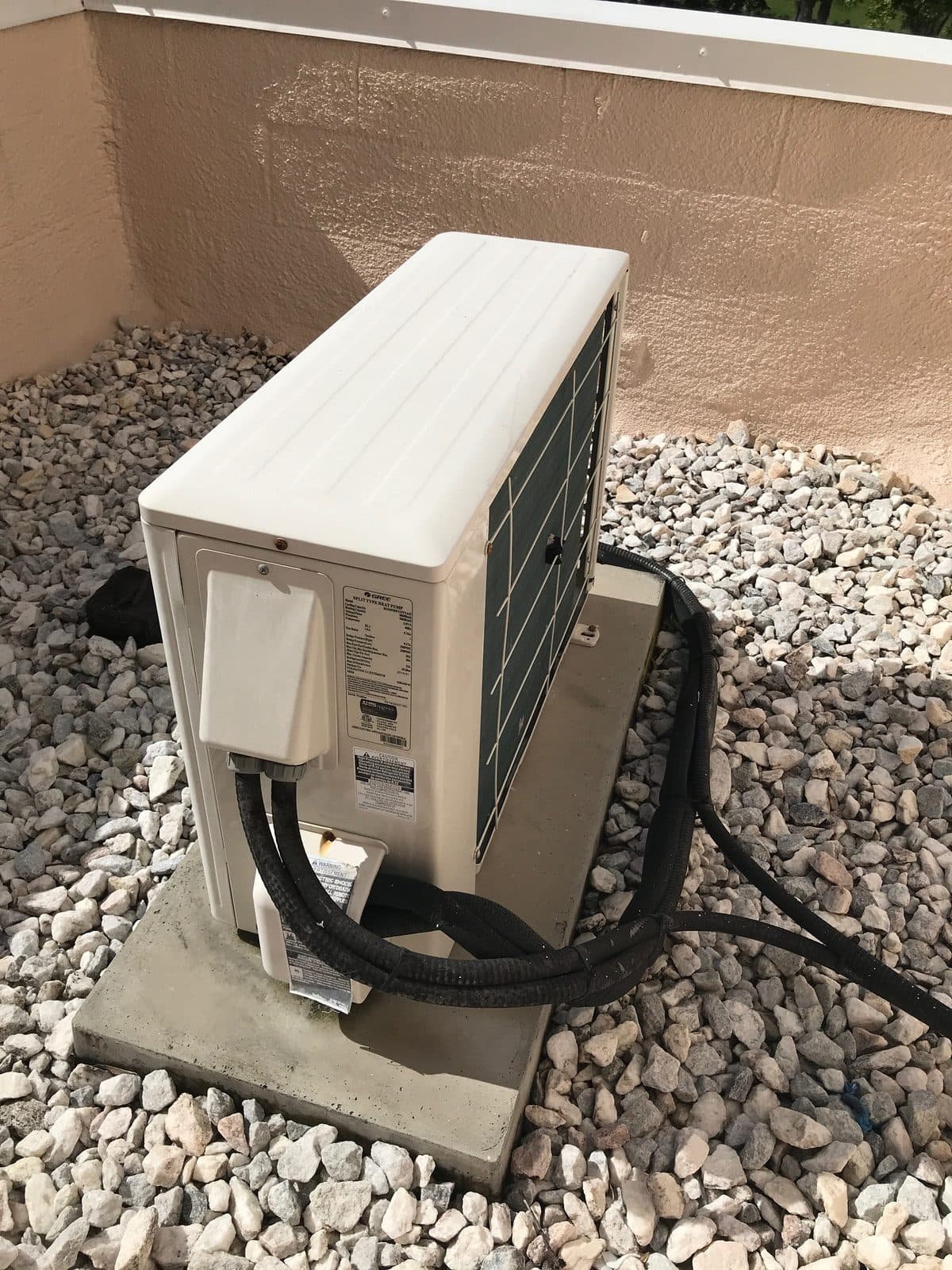
Lennox says a mini-split is also called a ductless air conditioning system (Lennox). Carrier says a mini split air conditioner is a ductless heating and cooling system, letting you set the temperature room by room (Carrier). Lennox says a mini-split pairs an outdoor compressor/condenser with one or more indoor air handlers, and in cooling mode it pulls heat out of the indoor air and moves it outdoors (Lennox).
Trane says a ductless HVAC system operates without the use of ductwork (Trane). Trane says the indoor units link to one outdoor condensing unit by a refrigerant line set that runs through a small opening in an outside wall (Trane). Carrier says ductless systems can serve individual rooms or multiple zones, depending on the setup (Carrier).
What the parts do
Lennox says the outdoor and indoor units are joined by two refrigerant pipes plus power and communication wiring, all routed through one opening (Lennox). Carrier says the two sides are linked by a conduit that holds the power cable, refrigerant tubing and, where required, the condensate drain line (Carrier). Lennox says the controller, a remote or a wall-mounted thermostat, lets you set temperature and fan speed from a distance (Lennox). Lennox says certain models may also respond to voice commands, or to a phone app over Wi-Fi (Lennox).
How cooling and heating work
Lennox says the indoor coil absorbs heat from room air, and the air handler's fan pushes air across it back into the space (Lennox). Lennox says heating runs in reverse, taking heat from outdoor air and moving it indoors (Lennox). Carrier says a ductless mini split circulates refrigerant between an outdoor unit and an indoor unit in the living space, rather than pushing air through ducts (Carrier). Carrier says its inverter-driven compressors change speed to follow the heating or cooling demand, which avoids repeated on and off cycles (Carrier).
Single-zone and multi-zone systems
Lennox says single-zone mini-splits serve a single room or area (Lennox). Lennox says multi-zone mini-splits can cool or heat several rooms at the same time, using one outdoor unit and several indoor units (Lennox). Carrier says a single-zone system has one indoor unit paired with one outdoor unit (Carrier). Carrier says a multi-zone system can have up to five indoor units on one outdoor compressor, and each indoor unit is controlled independently (Carrier). Trane says Trane/Mitsubishi multi-zone systems allow up to 8 indoor units on a single outdoor unit (Trane). Trane says every unit in the system must run in one mode, either heating or cooling, at any given moment (Trane).
Indoor unit styles
Lennox says wall-mounted units are the most common, mounted high on the wall (Lennox). Lennox says ceiling cassette units sit in the ceiling and push air downward (Lennox). Carrier says floor consoles suit rooms with low ceilings or slanted walls (Carrier). Carrier says cassette units sit flush in the ceiling for a streamlined look (Carrier), and in-ceiling units may stay out of sight where ceiling room permits (Carrier). Trane says indoor units may sit on an interior wall, at the floor, or in the ceiling (Trane).
Installation
Lennox says installation typically calls for a single 3-inch hole, through a wall or the ceiling, joining the two units (Lennox). Carrier says installation typically needs only a small three-inch opening in the wall for the conduit (Carrier). Lennox says mini-split systems require professional installation (Lennox). Trane says ductless systems are still complicated, and only a trained and licensed HVAC professional should install them (Trane).
Ducted versus ductless
Lennox says ducted mini-splits use a network of ducts, much like central HVAC systems (Lennox). Lennox says ductless units go straight into the room or area being cooled or heated, with no ductwork (Lennox). Trane says mini-split systems generally take up less space than ducted systems, and their outdoor condensing units are smaller than typical heat pumps or central air conditioners (Trane). Trane says ductless systems are generally quieter than ducted systems, and that you will not hear the pinging of expanding and contracting ductwork (Trane). Trane says ductless systems are not necessarily more expensive, and a multi-zone system may cost less than a ducted system that needs major renovations (Trane). Carrier says installation cost up front can run higher than with traditional systems (Carrier).
Noise and efficiency
Lennox says indoor units operate as low as 20 dB and outdoor units as low as 53 dB (Lennox). Carrier says sound levels can be as low as 16 decibels in some ductless indoor units, such as the 45MPHA (Carrier). Trane says Trane/Mitsubishi outdoor units run as quietly as 46 decibels (Trane). Lennox says its mini-split systems carry SEER2 ratings up to 28.1 and HSPF2 ratings up to 11.9 (Lennox). Carrier says SEER2 and HSPF2 ratings vary by system and model (Carrier). Carrier says its 37MPRA model is rated at up to 35.1 SEER2 and up to 30 HSPF2 (Carrier). Trane says a ductless mini-split can save money over time because it is energy efficient and avoids conditioned air escaping through leaky ductwork (Trane).
Air quality and upkeep
Carrier says every indoor unit has its own air filter, which catches dust, pollen and particulates and helps purify the air in that zone (Carrier). Carrier says mini split air filters need regular cleaning to maintain performance (Carrier). Trane says maintenance by an HVAC professional includes checking and cleaning the evaporator and condenser coils (Trane).
Limits and drawbacks
Lennox says mini-splits serve specific areas rather than a whole home, so a large space or many rooms may call for several units, which can raise the overall cost (Lennox). Lennox says mini-splits generally have a higher upfront cost than traditional HVAC systems (Lennox). Carrier says the largest homes may need more than one outdoor unit, and larger homes may need several indoor units (Carrier). Carrier says indoor wall-mounted units are more visible than ducted systems, a point some homeowners may find less appealing (Carrier).
Where a ductless system fits
Trane lists older homes without ductwork, homes that heat with a boiler or electric baseboards and need cooling, additions, sunrooms or enclosed patios, and lake cabins as possible fits (Trane). Lennox says mini-splits are ideal for new additions to a home and for multi-family housing (Lennox). Lennox says they are also a good option for homes heated with non-ducted hot water or radiant panels (Lennox). Carrier says its mini splits, depending on the setup, may cover single rooms or several zones of a home (Carrier).
Frequently asked
Do I need to call a pro for this?
Yes, for installation and for any refrigerant, electrical or gas work, a licensed contractor should do the job. Lennox says mini-split systems require professional installation (Lennox), and Trane says only a trained and licensed HVAC professional should install them (Trane). The homeowner checks are limited to the air filter and thermostat settings: Trane says to clean the air filters regularly (Trane), and Lennox says the controller adjusts temperature, fan speed and timer (Lennox).
Does a ductless AC pull air from outside?
No. Carrier says these units do not draw in outdoor air, and instead recycle and condition the air already in the room, filtering it and removing heat and humidity before it returns to the space (Carrier).
Does a ductless AC need to be vented?
No. Carrier says the systems create no harmful gases and so have no need for venting like a gas furnace (Carrier).
Can a mini split produce carbon monoxide?
No. Carrier says the systems run on electricity, burn no fuel and cannot produce carbon monoxide (Carrier).
How is a mini split different from central air?
The main difference is ductwork. Carrier says a central air conditioner uses ducts to spread air from one central unit through the whole house, while a mini split sends air into particular rooms through wall-mounted units (Carrier).
Related
- Ductless Mini-Splits: How They Work and When They Fit in Florida
- How a Mini Split Works
- Mini-Split Installation: What Drives the Job
- What Size Mini Split Do I Need? Sizing Room by Room
- How Long Do Mini Splits Last?
Questions about a specific system can go to Blume Mechanical Service at (727) 330-9131.
Sources: Lennox, What is a Mini Split?, https://www.lennox.com/residential/buyers-guide/guide-to-hvac/glossary/what-is-a-mini-split-system · Carrier, What Is a Mini Split Air Conditioner?, https://www.carrier.com/us/en/residential/hvac-resources/ductless-mini-splits/what-is-mini-split-air-conditioner/ · Trane, What Is Ductless HVAC?, https://www.trane.com/residential/en/resources/glossary/what-is-a-ductless-hvac-system/