
AC Efficiency Boost in Clearwater
Clearwater homeowners know how hard an air conditioner works through long, humid Florida days. If your system seems to run nonstop, struggles to keep rooms evenly cool, or sends your energy bills climbing, an AC efficiency boost can make a noticeable difference. In a coastal city like Clearwater, where salt air, heat, and moisture put extra strain on HVAC equipment, routine attention is essential for reliable comfort.
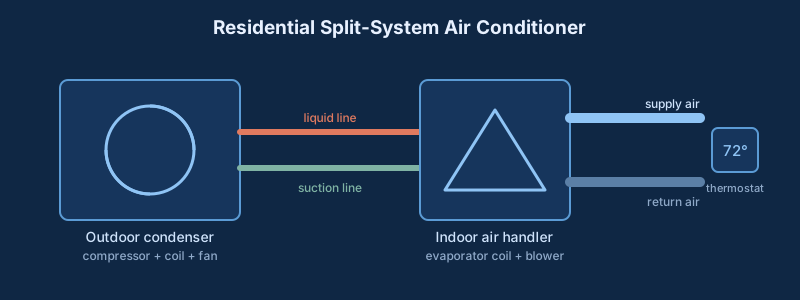
Two common causes of reduced AC efficiency are dirty air filters and buildup on the outdoor condenser unit. A clogged filter restricts airflow, forcing the system to work harder than necessary and reducing indoor comfort. Outside, dirt, debris, and coastal residue can collect on condenser coils, making it harder for your AC to release heat effectively. Both issues can increase wear and lead to higher monthly utility costs.
A simple DIY tip is to check and replace your air filter regularly, especially during peak cooling season. You can also gently clear leaves, grass, and debris from around the outdoor unit to help maintain proper airflow. Just be sure to turn off power before doing any basic visual inspection or cleanup.
From homes near Clearwater Beach to neighborhoods inland, efficient cooling matters year-round. Professional service can help identify performance issues early, improve airflow, and restore system efficiency before small concerns turn into bigger repairs.
If your AC isn’t performing like it should, schedule your Clearwater AC efficiency boost service today and enjoy cooler air, better performance, and improved energy savings.
AC Efficiency Boost in Clearwater: A Quick Homeowner Guide
If your air conditioner is running longer, cooling unevenly, or causing higher electric bills, an AC efficiency boost may help restore performance without immediately replacing the system. In Clearwater, where long cooling seasons and high humidity put extra strain on equipment, keeping your AC efficient can improve comfort and reduce monthly energy costs.
This guide covers the summary, likely root causes, two practical steps, typical Clearwater costs, and FAQs.
Summary
An AC efficiency boost is a focused service or set of upgrades designed to help your air conditioning system cool your home using less energy. It usually involves correcting airflow problems, cleaning critical components, checking refrigerant performance, sealing leaks, and optimizing thermostat or system settings.
For Clearwater homeowners, efficiency issues often show up as:
- Higher-than-normal energy bills
- Weak airflow from vents
- Hot and cold spots in the home
- AC running constantly during the day
- Humidity that feels difficult to control
- Older systems struggling in peak summer weather
In many cases, efficiency losses build gradually. Dirt, wear, duct leakage, clogged filters, and calibration problems can all reduce performance. The good news is that many of these issues can be corrected without a full system replacement.
Common Root Cause in Clearwater
In Clearwater, one of the most common root causes of poor AC efficiency is a combination of airflow restriction and humidity-related system strain.
Because the local climate is warm and humid for much of the year, AC systems often run for long cycles. Over time, this can lead to:
- Dirty air filters that choke airflow
- Dusty evaporator or condenser coils that reduce heat transfer
- Leaky ductwork that wastes cooled air in attics or crawlspaces
- Low refrigerant charge or performance issues that weaken cooling
- Blower problems that reduce air movement
- Thermostat miscalibration that causes overcooling or excessive cycling
Salt air near the coast can also contribute to outdoor unit wear, especially on condenser coils and electrical components. Even a system that still turns on and cools can lose a noticeable amount of efficiency under these conditions.
2 Steps to Boost AC Efficiency
Step 1: Restore Airflow and Clean Key Components
The first step is making sure air can move freely through the system and that heat exchange surfaces are clean. This usually includes:
- Replacing or cleaning the air filter
- Inspecting supply and return vents for blockage
- Cleaning evaporator and condenser coils
- Checking the blower assembly
- Clearing debris around the outdoor unit
- Inspecting drain lines that may affect performance in humid conditions
Why this matters: restricted airflow forces your AC to work harder and longer. Dirty coils make it harder for the system to remove heat, which reduces cooling output and increases energy use.
For many Clearwater homes, this step alone can produce a noticeable improvement in comfort and runtime.
Step 2: Tune System Performance and Seal Energy Losses
Once airflow is addressed, the next step is optimizing overall system operation. This may include:
- Checking refrigerant levels and system pressures
- Inspecting for duct leaks and sealing problem areas
- Testing thermostat accuracy and programming
- Measuring temperature split across the system
- Evaluating insulation near ducts
- Verifying fan speed and electrical performance
Why this matters: even if the system is clean, poor refrigerant performance or leaking ducts can continue wasting energy. A professional tune-up helps ensure the AC is operating within manufacturer specifications.
If your system is older, this step can also help determine whether repairs and efficiency improvements are still cost-effective compared with replacement.
Costs for an AC efficiency boost in Clearwater vary depending on the size of the system, the home layout, and what needs to be corrected. What sets the price of each fix:
- Basic AC tune-up: system size, and whether the visit is part of a maintenance plan.
- Coil cleaning: a condenser coil that only needs rinsing, versus an evaporator coil that has to be reached and cleaned inside the air handler.
- Thermostat calibration or replacement: recalibrating or relocating the existing thermostat versus installing a new one.
- Duct sealing: how much of the duct system is accessible, and how many leaks the test turns up.
- Refrigerant diagnostics/service: whether the charge is simply off or there is a leak that has to be found first.
- Blower or airflow adjustments: whether a blower speed change fixes the airflow or the motor itself needs replacing.
- Comprehensive efficiency package: how many of the above the system actually needs. It is priced from the findings, not sold as a bundle.
If major components such as the compressor or the evaporator coil are failing, a repair-or-replace comparison makes more sense than an efficiency tune-up.
Talk to a licensed Blume technician
For federal efficiency ratings and rebate eligibility we point homeowners to ENERGY STAR heating & cooling rather than making those claims ourselves.
Call (727) 330-9131Related HVAC Services
Browse all HVAC services · find your city