
AC Duct Cleaning in Tampa
Tampa homeowners know how hard Florida’s heat and humidity can be on an HVAC system. If your home feels dusty, smells musty when the air kicks on, or your vents seem to push out weak airflow, it may be time to schedule professional AC duct cleaning in Tampa. Clean ductwork helps your system circulate air more efficiently while supporting a fresher, more comfortable indoor environment.
In the Tampa area, heavy humidity is one of the biggest reasons air ducts collect buildup faster than expected. Moisture can combine with dust and debris inside the duct system, creating conditions for unpleasant odors and reduced air quality. Another common cause is daily buildup from pet hair, pollen, and construction dust, especially in busy households or homes near high-traffic roads and ongoing development around Tampa Bay.
While professional service is the best way to fully clean your duct system, there are a few simple steps homeowners can take between appointments. A helpful DIY tip is to regularly replace your HVAC air filter and carefully vacuum around vent covers to reduce loose dust before it enters the system. Keeping vents unobstructed by furniture can also improve airflow throughout your home.
Whether you live in South Tampa, Carrollwood, Westchase, or Brandon, routine duct cleaning can help protect your comfort and keep your HVAC system performing at its best. If your vents are overdue for attention, now is the perfect time to act. Contact us today to schedule trusted AC duct cleaning in Tampa and breathe easier year-round.
AC Duct Cleaning in Tampa: What Homeowners Should Know
If your home feels dusty no matter how often you clean, your AC seems to run constantly, or you notice musty smells when the system kicks on, your air ducts may need attention. In Tampa, where air conditioners run for much of the year, ductwork can collect dust, moisture, pollen, pet dander, and other debris over time. That buildup can affect comfort, indoor air quality, and system efficiency.
This guide covers the basics of AC duct cleaning in Tampa, including common causes of dirty ductwork, two practical next steps, local cost expectations, and answers to frequently asked questions.
Summary
AC duct cleaning is the process of removing dust, debris, and contaminants from the ductwork connected to your heating and cooling system. In Tampa homes, duct issues are often made worse by heavy AC use, high humidity, seasonal allergens, and occasional moisture problems in attics or crawlspaces.
While not every home needs frequent duct cleaning, it can be worthwhile when there is visible buildup, mold concerns, pest contamination, renovation dust, or unexplained indoor air quality issues. A professional inspection can help determine whether cleaning alone is enough or whether the ducts also need sealing, repair, or replacement.
For Tampa homeowners, the goal is not just cleaner ducts, but a healthier and more efficient HVAC system overall.
Root Causes of Dirty or Problematic AC Ducts in Tampa
Several local conditions make duct contamination more common in the Tampa area:
1. High humidity Tampa’s humid climate creates ideal conditions for moisture buildup. If condensation forms inside or around ducts, it can contribute to musty odors and, in some cases, microbial growth.
2. Nearly year-round AC use Because air conditioning systems run so often in Florida, airborne particles move through the duct system constantly. Over time, dust, lint, and dander can settle inside the ducts.
3. Leaky ductwork Small gaps or disconnected sections can pull in attic dust, insulation particles, or unconditioned air. This not only dirties the ducts faster but can also reduce energy efficiency.
4. Poor filtration or missed maintenance Clogged filters, low-quality filters, or skipped HVAC tune-ups can allow more debris to circulate through the system and into the ductwork.
5. Remodeling or construction dust Home renovations often create fine dust that spreads through vents and settles inside the ducts, especially if the system ran during the work.
6. Pest activity Rodents or insects in attic ductwork can leave behind droppings, nesting materials, and contamination that should be professionally addressed.
2 Smart Steps to Take
Step 1: Schedule a professional duct inspection
Before paying for a full cleaning, have a qualified HVAC or duct cleaning company inspect the system. A proper inspection can confirm whether there is meaningful buildup, moisture, mold-like growth, damaged insulation, or leaks in the duct lines.
Ask the company for:
- Photos or video of problem areas
- Confirmation of whether cleaning is truly needed
- An explanation of whether there are leaks, crushed ducts, or disconnected sections
- Details on their cleaning method and equipment
This step helps you avoid unnecessary service and identifies bigger issues that cleaning alone won’t solve.
Step 2: Clean the ducts and correct the underlying issue
If the inspection shows significant contamination, move forward with professional cleaning. In many Tampa homes, the best results come from combining cleaning with one corrective measure, such as:
- Sealing duct leaks
- Replacing damaged flexible duct sections
- Improving filtration
- Addressing attic moisture or insulation issues
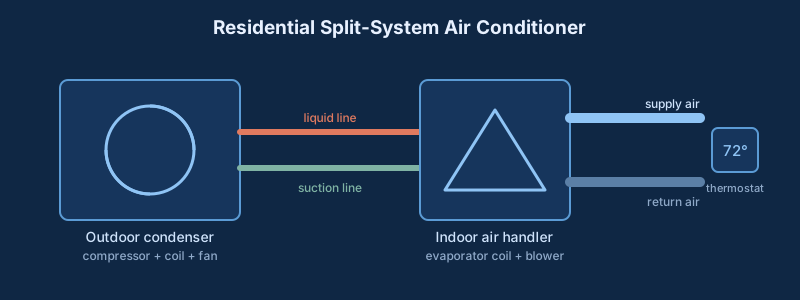
- Cleaning the air handler, blower, and coils if needed
Without fixing the root cause, ducts can become dirty again quickly. A complete approach usually delivers better air quality, airflow, and long-term value.
Costs vary based on home size, number of vents, duct accessibility, contamination level, and whether repairs are needed. How each piece of the job is priced:
- Basic duct cleaning: the number of supply and return vents, and how much of the duct run can be reached from the attic.
- Larger homes or more complex systems: more than one air handler, long attic runs and two-story layouts add time and equipment.
- Duct inspection: some companies charge for it separately and some credit it toward the cleaning, so ask before the visit.
- Duct sealing or minor repairs: how many joints are leaking, and whether crushed or torn flex duct has to be replaced rather than sealed.
Frequently asked questions
How do I know if my ducts need cleaning?
The EPA suggests considering it when there is substantial visible mold growth inside hard-surface ducts or on other parts of the system, when the ducts are infested with rodents or insects, or when they are clogged with dust and debris that actually blows out of the supply registers. Dust on the register grilles by itself is not a reliable sign.
Will duct cleaning lower my energy bill?
Probably not by itself. The EPA notes that little evidence exists that cleaning only the ducts improves a system's efficiency. Sealing leaky ducts, and cleaning the coils and blower, are the changes that affect efficiency.
Should I clean the ducts if there is mold?
Only after the moisture problem that caused it is fixed; otherwise the mold grows back. Insulated ducts that have gotten wet or moldy cannot be cleaned effectively and should be replaced, according to EPA guidance.
Source for the duct-cleaning guidance above: EPA, “Should You Have the Air Ducts in Your Home Cleaned?”
Talk to a licensed Blume technician
For federal efficiency ratings and rebate eligibility we point homeowners to ENERGY STAR heating & cooling rather than making those claims ourselves.
Call (727) 330-9131Related HVAC Services
Browse all HVAC services · find your city