
HVAC, explained
Heat pump efficiency at low outdoor temperatures
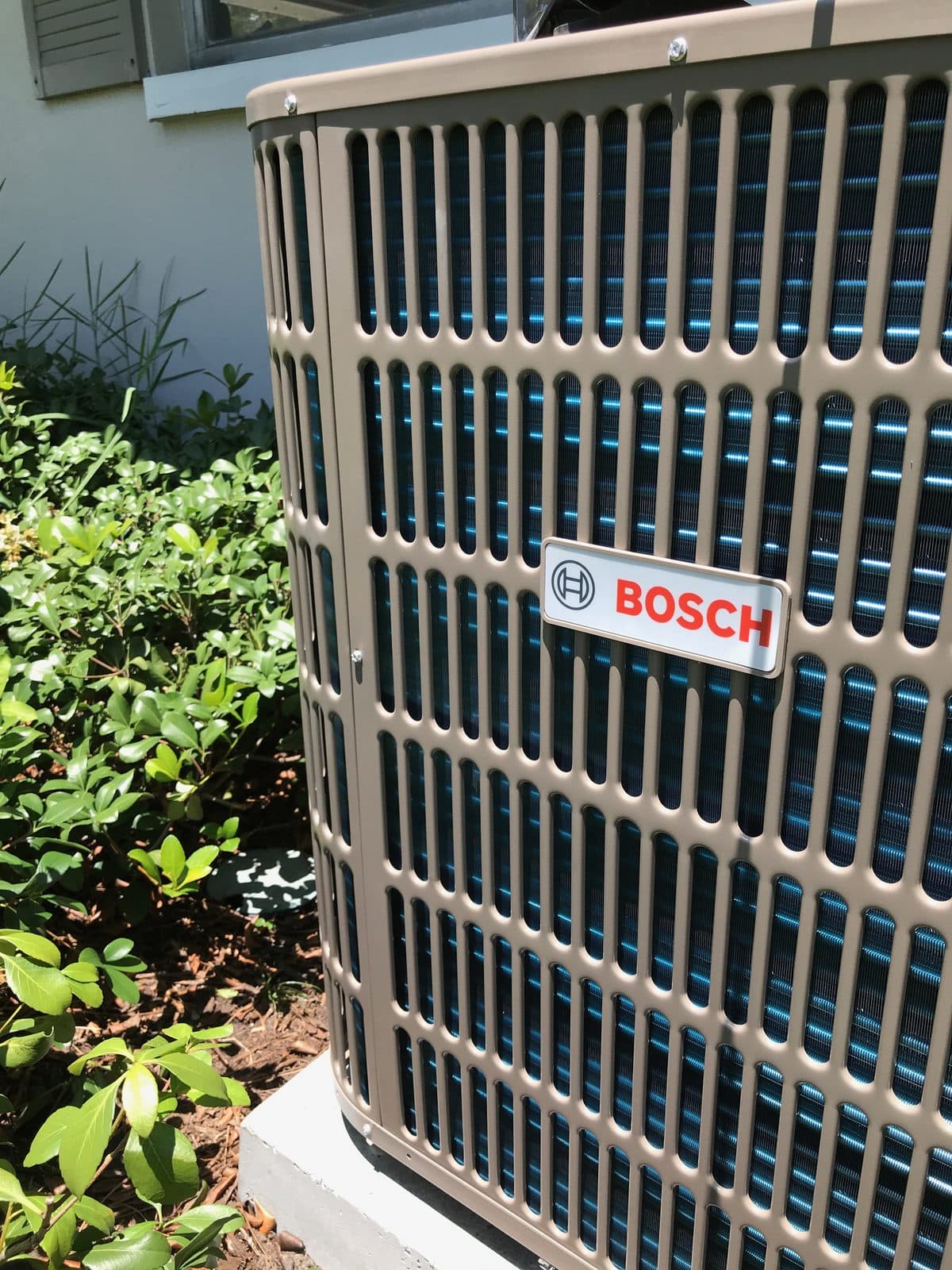
The outside unit of a ductless heat pump extracts heat from the air even when it is cold (ENERGY STAR). DOE says conventional units need supplemental electric resistance heat at low temperatures, which decreases heating performance (DOE). Backup electric heating elements are inefficient, so DOE says their use should be kept to a minimum (DOE).
Outdoor temperature changes how a heat pump performs. The statements below come from DOE, ENERGY STAR, EIA, ORNL, FSEC and AHRI, so you can ask your installer informed questions. Read them as general statements about equipment types, not as a forecast for one house.
How a heat pump makes heat in winter
On a ductless system, the outside unit extracts heat from the air even when it is cold (ENERGY STAR). Refrigerant carries that heat to the indoor head units, which deliver heated air to the occupied space (ENERGY STAR).
FSEC measures heat pump efficiency with the coefficient of performance, or COP (FSEC). FSEC states that the practical efficiency air-source heat pumps achieve is a COP of 2.0 to 3.0 (FSEC).
When you compare models, check the labels on the outdoor unit and the indoor heads, and note which unit type each quote covers.
Efficiency as the air gets colder
DOE says conventional units need supplemental electric resistance heat at low temperatures, which decreases heating performance (DOE). Ask your installer at what outdoor temperature a given model starts to rely on backup heat.
ENERGY STAR says many air-source heat pump systems can deliver heating capacity and efficiency at low outdoor temperatures (ENERGY STAR).
ENERGY STAR also says that pairing a cold climate heat pump with a back-up energy source heats a home most efficiently when temperatures are even lower (ENERGY STAR).
Look up the performance data the manufacturer publishes for your unit, and ask your installer which outdoor temperatures that data covers.
Backup heat and efficiency
Heating and cooling are the largest annual uses of electricity in the U.S. residential sector (EIA). Electric resistance elements are typically added to make up for deficiencies in heating capacity (DOE).
Because of the inefficient nature of these heating elements, their use should be kept to a minimum (DOE).
If your system runs its backup heat often, ask a licensed technician to check the controls and the setup.
What cold climate heat pumps are built to do
DOE says cold climate heat pumps operate with greater capacity and efficiency at outdoor temperatures below 32°F (DOE). DOE's Cold Climate Heat Pump Challenge specification describes a best-in-class product that provides high-efficiency heating performance in cold climates (DOE).
ENERGY STAR certification requires third-party verified performance for low temperatures, with units tested down to 5°F (ENERGY STAR). For the ENERGY STAR cold climate designation, the page sets a COP of at least 1.75 at 5°F, measured under Appendix M1 (ENERGY STAR).
ENERGY STAR also says a cold climate air-source heat pump will continue working at temperatures below 5°F (ENERGY STAR). That statement says the unit keeps operating. It does not say the unit keeps its full heating output.
DOE reports that a prototype heat pump kept a house warm at -13°F without supplemental electric resistance heat (DOE). That was one prototype in one home, so it is not a rating for a model you can buy today (DOE). During the coldest month, DOE says the prototype maintained comfortable temperatures in the home (DOE). DOE also says the same technology enhances air-source heat pump efficiency and comfort in milder climates (DOE).
Oak Ridge National Laboratory ran a field investigation of a cold climate air-source heat pump in an occupied home in Ohio during the winter of 2015 (ORNL). That field study covered one prototype in one home.
A claimed COP and a field COP
FSEC says the implied seasonal COP from its field data is only 1.45, compared with a commonly claimed 2.0 (FSEC). That figure refers to the data set on that FSEC page, not to a rating for any model.
Reading the ratings: COP, HSPF and SEER
The Heating Seasonal Performance Factor, or HSPF, is used to determine a heat pump's efficiency when it is heating (AHRI). The higher the SEER or HSPF, the more efficient the equipment (AHRI).
AHRI says the national energy efficiency standard for residential heat pumps applies uniformly throughout the United States (AHRI). It also says heat pumps are enforced based on their date of manufacture (AHRI).
Ask your installer which rating each quote uses, and compare the same kind of rating across quotes.
Ground-source systems work differently
Geothermal heat pumps use the earth's steady temperature to heat and cool buildings (EIA). In winter, geothermal heat pumps draw heat from the warmer ground or nearby water into buildings (EIA).
Outdoor-air heat pumps and ground-source units are different systems. Confirm which type is installed or proposed before you compare outdoor temperature performance.
Electricity price per kWh
Florida's residential average retail electricity price was 14.99 cents per kWh in August 2026, against 15.33 cents in August 2025 (EIA). That figure is one month's average price, not an average bill, and EIA may revise it (EIA).
Frequently asked
Do heat pumps stop working when it gets cold?
ENERGY STAR says the outside unit of a ductless heat pump extracts heat from the air even when it is cold (ENERGY STAR). DOE says conventional units need supplemental electric resistance heat at low temperatures, which decreases heating performance (DOE).
What temperature is too cold for a heat pump?
ENERGY STAR certification tests air-source units down to 5°F (ENERGY STAR). Check the manufacturer's published data for your model, and ask your installer which outdoor temperatures that data covers. Cold climate heat pumps operate with greater capacity and efficiency below 32°F (DOE).
Can a heat pump keep a house warm at -13°F?
A DOE prototype kept one house warm at -13°F without supplemental electric resistance heat (DOE). That was one prototype in one home, so check the manufacturer's data for the model you are considering.
What does COP mean?
COP stands for coefficient of performance (FSEC). FSEC states that the practical efficiency air-source heat pumps achieve is a COP of 2.0 to 3.0 (FSEC).
What COP must a cold climate heat pump reach at 5°F?
For the ENERGY STAR cold climate designation, the page sets a COP of at least 1.75 at 5°F, measured under Appendix M1 (ENERGY STAR).
What does HSPF measure?
HSPF is the rating used to determine a heat pump's efficiency when it is heating (AHRI). The higher the SEER or HSPF, the more efficient the equipment (AHRI).
Is backup heat inefficient?
Backup electric heating elements are inefficient, so DOE says their use should be kept to a minimum (DOE). Heating and cooling are the largest annual uses of electricity in the U.S. residential sector (EIA).
Related
- Is dehumidifier water distilled or safe to use?
- Office temperature: what OSHA and EPA say
- HSPF2: the heat pump heating rating explained
Need a heat pump checked before the cold season? Blume Mechanical Service (CAC-1822618) repairs, installs and maintains HVAC equipment in Pinellas, Hillsborough and Pasco counties. Call 727-330-9131.
Sources: U.S. Department of Energy — Residential Cold Climate Heat Pump Challenge (https://www.energy.gov/cmei/buildings/residential-cold-climate-heat-pump-challenge) · U.S. Department of Energy — EERE Success Story: Energy-Efficient Heat Pump for Colder Regions Keeps Residents Cozy with Lower Utility Bills (https://www.energy.gov/cmei/success-stories/articles/eere-success-story-energy-efficient-heat-pump-colder-regions-keeps) · U.S. Department of Energy — Purchasing Energy-Efficient Residential Air-Source Heat Pumps (https://www.energy.gov/cmei/femp/purchasing-energy-efficient-residential-air-source-heat-pumps) · U.S. EPA ENERGY STAR — Ductless Heating & Cooling (https://www.energystar.gov/products/ductless_heating_cooling) · U.S. EPA ENERGY STAR — Air-Source Heat Pumps (https://www.energystar.gov/products/air_source_heat_pumps) · U.S. EPA ENERGY STAR — Heat Pump Equipment Key Product Criteria (https://www.energystar.gov/products/air_source_heat_pumps/key-product-criteria) · Oak Ridge National Laboratory — Field Investigation of an Air-Source Cold Climate Heat Pump (https://www.ornl.gov/publications/field-investigation-of-an-air-source-cold-climate-heat-pump/) · Florida Solar Energy Center, University of Central Florida — FSEC-PF-413-04 (https://www.fsec.ucf.edu/en/publications/html/FSEC-PF-413-04) · U.S. Energy Information Administration — Geothermal heat pumps (https://www.eia.gov/energyexplained/geothermal/geothermal-heat-pumps.php) · U.S. Energy Information Administration — Use of electricity (https://www.eia.gov/energyexplained/electricity/use-of-electricity.php) · U.S. Energy Information Administration — Electric Power Monthly, Table 5.6.A (https://www.eia.gov/electricity/monthly/epm_table_grapher.php?t=epmt_5_6_a) · Air-Conditioning, Heating and Refrigeration Institute (AHRI) — Air-Conditioning and Heat Pump Efficiency 101 (https://www.ahrinet.org/certification/cee-directory/air-conditioning-and-heat-pump-efficiency-101) · Air-Conditioning, Heating and Refrigeration Institute (AHRI) — Residential Heat Pumps (https://www.ahrinet.org/advocacy/residential-heat-pumps)