
Emergency HVAC in Dunedin
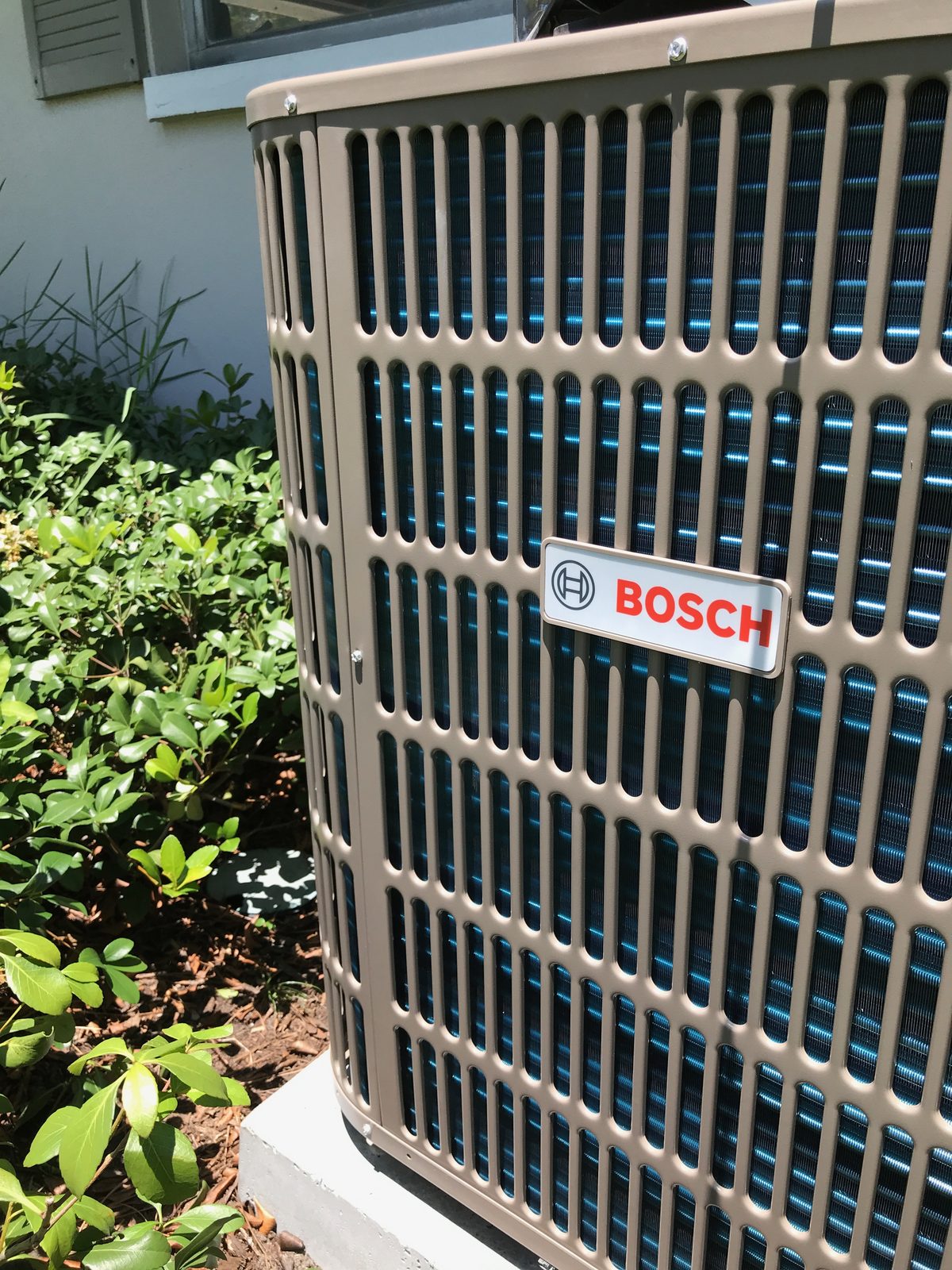
Dunedin sits right on the water across the causeway from Honeymoon Island, and that coastal location is the single biggest thing that separates an HVAC emergency here from an inland one. Salt in the air does not care what brand you bought; it settles on outdoor coils, contactor points, and copper, and over a few seasons it corrodes the exact parts that fail when a system dies suddenly on a hot afternoon. A condenser a few blocks from the Gulf in Dunedin lives a harder life than the identical unit inland, and it tends to quit earlier and with less warning. When that happens, Blume Mechanical Service runs a 24/7 emergency line at (727) 330-9131.
What actually counts as an HVAC emergency here
We would rather save you the after-hours premium than roll a truck at midnight for something that can wait, so it is worth being clear about the difference. A genuine emergency in coastal Dunedin is: no cooling during a heat advisory, especially with an infant, an older resident, or someone medically fragile in the home; a burning or electrical smell from the equipment; water pouring out of an air handler into a ceiling or wall; or a breaker that trips and refuses to reset. Weak airflow, a single warm room, an odd noise that is not dangerous, or a thermostat that needs reprogramming are all next-day calls. Telling you which bucket you are in is part of the phone call, not an upsell.
Why Dunedin systems fail the way they do
The classic coastal emergency is a contactor or capacitor that finally corrodes through. The contactor is the electrical switch that lets the compressor start; salt pits its contacts until one day they weld shut or stop making contact, and the unit either runs nonstop or will not start at all. It is a small, inexpensive part, but on a Gulf-facing property it is the part that most often ends a system’s afternoon. We also see coil corrosion far sooner here than inland — a corroded coil starts leaking refrigerant, cooling fades over days, and then the compressor overheats and shuts down. What looks like a sudden failure was actually salt working on that coil for years.
Dunedin’s building mix shapes the rest. The older bungalows near the water and around the walkable downtown often run compact systems crammed into tight closets and tight mechanical spaces, with air handlers that are genuinely awkward to reach after hours — a repair that is quick in a roomy garage takes patience in a 1940s closet. Storm season layers on top of all of it: a tropical system pushing in off the Gulf can flood a ground-level condenser or knock out power along the coast, and we plan access around that when the weather turns.
What to do while you wait for us
A handful of steps make the wait safer and sometimes buy back some cooling. If you smell burning or see scorch marks, switch the system off at the breaker and leave it off — do not try to restart it. If a breaker tripped once, you may reset it a single time; if it trips again, leave it, because it is doing its job. Move anyone vulnerable to the coolest room, close blinds facing the afternoon Gulf sun, and run fans to keep air moving. If water is dripping from the air handler in a tight closet, turn the system off so it stops producing condensate, and catch the drip with a pan and towel until we can clear the drain. If your condenser sat in salt water after a storm, do not energize it; a flooded unit needs to be checked before it runs.
What happens on a Blume emergency call
The technician’s first job at your door is to diagnose, not to sell. On the coast that usually means checking the contactor and capacitor first, since salt makes them the usual suspects, then the float switch, the drain, the refrigerant charge, and the compressor. The small consumable parts that most often end a Dunedin afternoon — contactors, capacitors, float switches, relays — ride on the truck, so the repair can often be finished on the same visit, even when the equipment is wedged into a tight closet. When corrosion has taken something larger, like a leaking coil or a failed compressor, we lay out honest options and, where it is safe, a temporary path to cooling while the real repair is scheduled. We will not price a job blind or lean on you to replace a system at midnight.
Serving Dunedin and coastal Pinellas
Blume Mechanical Service has worked across Tampa Bay since 2009 as a Class A licensed Florida mechanical contractor, license CAC-1822618, fully insured. We take emergency calls across Dunedin and the coastal Pinellas communities around it — the downtown and waterfront neighborhoods, the streets near the Honeymoon Island causeway, Palm Harbor, Clearwater, and Safety Harbor, where salt exposure runs high. The 24/7 line is (727) 330-9131, and the same number reaches us for standard scheduling when the problem can wait for normal hours.
Emergency HVAC questions, answered honestly
Why does my Dunedin unit fail more than my friend’s inland one? Salt. Airborne salt off the Gulf corrodes coils, contactor points, and copper on coastal equipment far faster than inland, so the same brand and model has a shorter, harder life a few blocks from the water. Coastal units reward more frequent coil rinsing and inspection for exactly this reason.
My AC just stopped starting — is it the compressor? On the coast it is more often the contactor or the run capacitor, both of which corrode and are inexpensive, same-visit parts. The compressor is the expensive worst case, and a technician confirms which one you have before anyone talks about replacement.
My air handler is jammed into a tiny closet — can you still fix it after hours? Yes. Tight bungalow closets are the norm in old Dunedin, and the common consumable parts ride on the truck. It sometimes takes a little longer to reach the unit, but most calls still resolve the same visit.
My condenser flooded in a storm — can I just turn it back on? No. A unit that sat in salt water or storm surge should be inspected before it is energized; restarting a flooded condenser can turn a cleanup into a replacement. Leave it off and have it checked.
No cooling in Dunedin right now?
Our 24/7 emergency line is answered by Blume, CAC-1822618.
Call (727) 330-9131