When a Commercial AC Unit Failure Is a True Emergency
Most cooling problems are inconveniences. A few are genuine emergencies, and the difference decides what you do in the next five minutes. A commercial ac unit is bigger than residential equipment, carries more electrical load, moves more water, and usually sits above or beside an occupied space, so when something goes wrong it can go wrong in ways that threaten more than comfort.
Shut it down before you diagnose anything
If you smell burning, see smoke, hear grinding or banging, or notice water coming through a ceiling below a rooftop unit, stop the system first and ask questions second. Turn the thermostat to off. If you know where the breaker or the outdoor disconnect is and can reach it safely, switch that off too. A commercial air conditioner that keeps running through a mechanical or electrical fault almost always turns a modest repair into a major one.
Electrical warning signs you should never wait out
A breaker that trips once may be nothing. A breaker that trips again the moment you reset it is telling you there is a short or a failing motor pulling too much current. The same goes for a hot or discolored disconnect box, a buzzing contactor, or lights that dim when the unit starts. Leave the power off and treat the call as urgent. Electrical faults are the one category where waiting overnight is a genuine risk rather than a budget decision.
When heat itself becomes the hazard
In a Tampa Bay summer, an occupied building without cooling heats up quickly. If the space serves elderly customers, young children, medical patients, or anyone who cannot simply leave, losing the commercial ac unit stops being a comfort problem. The same is true of a server closet or any room holding heat-sensitive equipment or inventory. That situation justifies an emergency call even when the equipment is failing quietly.
What to Do Before Help Arrives
Once any immediate hazard is handled, there are a few things a building owner or manager can safely do that protect the property and make the repair visit faster. None of them require opening a panel or picking up a tool.
The one-reset rule
You may reset a tripped breaker exactly once. If it holds, watch and listen. If it trips again, leave it off. Repeated resets push current through whatever component is failing and can spread the damage from one part to several.
Check the simple things
Look at the thermostat settings and its batteries. Look at the air filter, because a filter choked with dust can freeze a coil and shut a commercial system down all by itself. If the unit is accessible, walk past it and note what you see and hear: ice on the copper lines, oily residue at fittings, a fan that is not turning. You are not repairing anything, just gathering the details that help a dispatcher and a technician arrive prepared.
What to tell dispatch
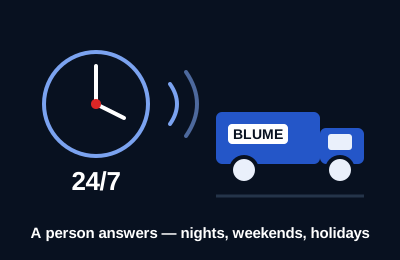
When you call, describe what you observed, when it started, whether the space is occupied, and whether anything inside is heat-sensitive. A person answers the 24/7 dispatch line at (727) 330-9131, holidays included, and same-day response is available for no-cool calls, based on location and technician availability. The more precisely you describe the failure, the more useful that first visit is.
Water and Ice: Alarming but Manageable
Two of the most frightening things a commercial ac unit does are leak water and grow ice, and both are usually survivable if you respond correctly. In Florida humidity, a commercial system pulls a remarkable amount of moisture out of the air every hour it runs, and all of that water has to drain somewhere. When a condensate line clogs with algae, which happens fast in this climate, water backs up and finds the nearest ceiling tile or wall cavity. Shut the system off, move or cover whatever sits below the leak, and keep people out from under the drip. A stain is cosmetic; saturated ceiling material and wet light fixtures are not.
Ice is the counterintuitive one. A frozen coil does not mean the unit is working too well. It means airflow or refrigerant is wrong, and running the system harder makes it worse. Turn cooling off and, if the thermostat allows it, run the fan alone so the coil can thaw. Never chip or pry at the ice, because the fins and tubing underneath are soft and expensive.
Refrigerant Trouble and the R-22 Problem
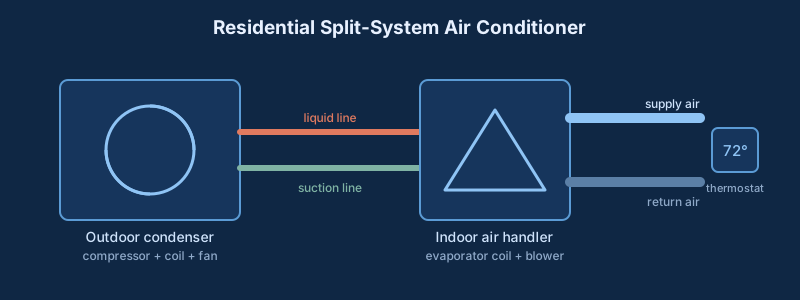
A commercial air conditioner that runs constantly but never quite cools the space, hisses near the line set, or shows oily residue at connections is often low on refrigerant. Refrigerant does not get used up; it escapes through a leak, and topping the system off without finding that leak only rents you a little time. If your commercial ac unit is old enough to run on R-22, the situation is harsher, because R-22 has been phased out. A leak on that equipment is a fork in the road rather than a routine fix. An experienced technician can tell you whether the leak is repairable, what the honest cost picture looks like, and whether the age of the unit means the repair money is better spent on replacement. That is a conversation to have with written numbers in front of you, not a decision to make in a hot hallway.
Why Tampa Bay Is Hard on Commercial Cooling Equipment
The local climate stacks the deck. Commercial units here run most of the year with little rest, humidity keeps coils and drain lines wet and algae-prone, and salt air near the Pinellas coast corrodes cabinets, fins, and electrical connections faster than inland weather would. Rooftop units take direct sun all day on top of the workload. The practical consequence is that small faults do not stay small for long, and failures cluster on the hottest days, exactly when equipment works hardest and service demand peaks. That is the honest argument for treating early warning signs, such as longer run times, warm spots, and new noises, as scheduling triggers instead of things to watch.
Protecting People, Product, and Tenants While You Wait
Between the phone call and the truck arriving, the goal is to slow heat gain and shield whatever is vulnerable. Close blinds on sun-facing glass, limit door traffic, and shut down heat-producing equipment you do not need, including ovens, extra lighting, and idle machines. Portable fans do not lower the temperature, but they make occupied areas more tolerable. If you carry perishable inventory, check your cold storage early rather than late, since refrigeration cases in a hot room have to fight harder. If the building has tenants, tell them plainly what happened and what has been done. A short factual notice prevents a stream of individual complaints and shows the problem is in hand.
What an Emergency Call to Blume Looks Like
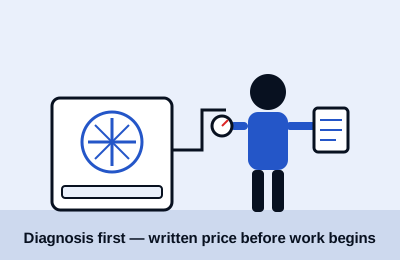
Blume Mechanical Service, LLC has been in the climate business since 2009 and holds Florida license #CAC-1822618, fully insured and verifiable through the FL DBPR. A person answers the 24/7 dispatch line, holidays included, and same-day response is available for no-cool calls, based on location and technician availability. Before any work begins you receive written upfront pricing to approve, so an emergency never turns into a blank check. experienced technicians service every major commercial brand, including Carrier, Trane, Lennox, Rheem, Goodman, Daikin, York, and Bryant, and hands-on air balancing means airflow across a commercial space gets measured and verified rather than guessed at. The company works from Belleair Bluffs across Pinellas and Hillsborough County, covering Tampa, Clearwater, St Petersburg, Largo, Brandon, Dunedin, Palm Harbor, Seminole, and nearby communities.
After the Emergency: Repair, Replace, or Prevent
The end of an emergency is the right moment to decide whether you ever want to repeat it.
The honest-math rule
When a repair on aging equipment costs more than half of what a new system would, replacement usually wins. That is not a sales pitch; it is arithmetic. A large repair on an old commercial ac unit buys the remaining life of old equipment, while the same money applied toward replacement buys efficiency and a fresh start. Ask for both figures in writing and compare them yourself.
Maintenance is cheaper than adrenaline
Most of the emergencies described on this page announce themselves well in advance to anyone who looks. A maintenance plan with two tune-ups a year catches clogged drains, weak electrical components, and dirty coils before they become after-hours calls, and it includes priority scheduling, discounted repairs, and a documented service history for each unit. That history matters when you manage several units, and it lets the next repair-or-replace decision rest on records instead of memory.