
HVAC, explained
How to Reset an AC Unit
To reset most residential air conditioners, set the thermostat to OFF, wait a few minutes, then turn off the breakers serving the indoor and outdoor units, wait again, and switch everything back on. Some outdoor units also have a small reset button you can press. A reset only clears a temporary lockout or control glitch, so if the system will not stay running afterward, the problem is mechanical and needs a technician rather than another reset.
When an air conditioner suddenly stops cooling, a reset is often the first thing worth trying. A proper reset clears the control board, releases a safety lockout, and lets the system start fresh. It is simple and safe when done correctly, but it is not a repair. Knowing how to reset an AC unit, and when a reset is only masking a deeper fault, saves time and prevents damage.
What resetting an AC actually does
Resetting an air conditioner does one thing: it clears the electronics and any safety lockout so the system can attempt a clean start. Modern air conditioners are controlled by a circuit board that monitors temperature, pressure, and safety switches. When something looks wrong, or when the power briefly flickers, the board can latch into a locked-out state and refuse to run until it is cleared. Cutting power and restoring it wipes that lockout and lets the board re-check conditions from scratch.
That is the entire scope of a reset. It does not add refrigerant, fix a worn part, clean a coil, or repair wiring. Think of it the way you would think of restarting a frozen computer: it resolves temporary glitches and stuck states, but if the machine keeps freezing, the restart is only buying time. The same logic applies here. A reset is a legitimate first step, and often the only step a homeowner needs, but it is a diagnostic action, not a cure. If the air conditioner runs normally afterward, the lockout was likely caused by a brief power event and nothing more. If it locks out again quickly, the board is doing its job by protecting the system from a real fault.
Understanding this scope keeps expectations realistic. A reset is free, fast, and worth trying before you assume the worst, because a surprising number of no-cool situations really do come down to a stuck control state, a brief brownout, or a safety switch that tripped once and simply needs clearing. But the same reset that rescues a glitching system will do nothing for a failed part, and repeating it will not change that outcome. Treat the first reset as information gathering: whether it holds tells you a great deal about what is actually going on inside the equipment.
The safe way to power-cycle (and why you wait)
A safe power-cycle has three parts, and the waiting is the part most people skip. Start at the thermostat. Set it to OFF, not just to a higher temperature, and leave it there for several minutes. This signals the system to shut down gracefully and lets the indoor blower and controls settle rather than being cut off mid-cycle.
Next, go to the electrical panel and turn off the breakers that serve the air conditioner. Most systems have two: one for the indoor air handler or furnace and one for the outdoor condenser. Switch both fully off. Some outdoor units also have a separate disconnect box mounted on the exterior wall near the unit; you can switch that off as well. Wait a few full minutes with everything de-energized. This pause matters more than it seems. Air conditioners include a built-in compressor time delay designed to prevent short-cycling, which is when the compressor tries to restart too soon against high internal pressure. Restarting under pressure strains the motor and can damage it. Waiting several minutes lets the refrigerant pressures on the high and low sides equalize and lets that anti-short-cycle delay time out completely, so the compressor restarts against balanced conditions.
Finally, restore power in order. Turn the breakers back on, give the system a minute, then set the thermostat back to COOL at your desired temperature. Expect a short delay before the outdoor unit kicks on; that built-in timer is intentional and healthy. If the system starts and holds a steady cooling cycle, the reset worked.
A few habits make the power-cycle safer and more reliable. Flip breakers decisively rather than tentatively, since a half-thrown breaker can leave the circuit partially energized. Keep your hands dry and stand on a dry surface at the panel. If you are not certain which breakers feed the air conditioner, they are usually labeled, and the outdoor and indoor units are often on their own dedicated circuits. When in doubt, cutting the main is not necessary; you only need the circuits that serve the cooling system. Doing the sequence unhurried, with the full wait in the middle, is what separates a clean reset from one that trips the anti-short-cycle protection all over again.
The reset button, if your unit has one
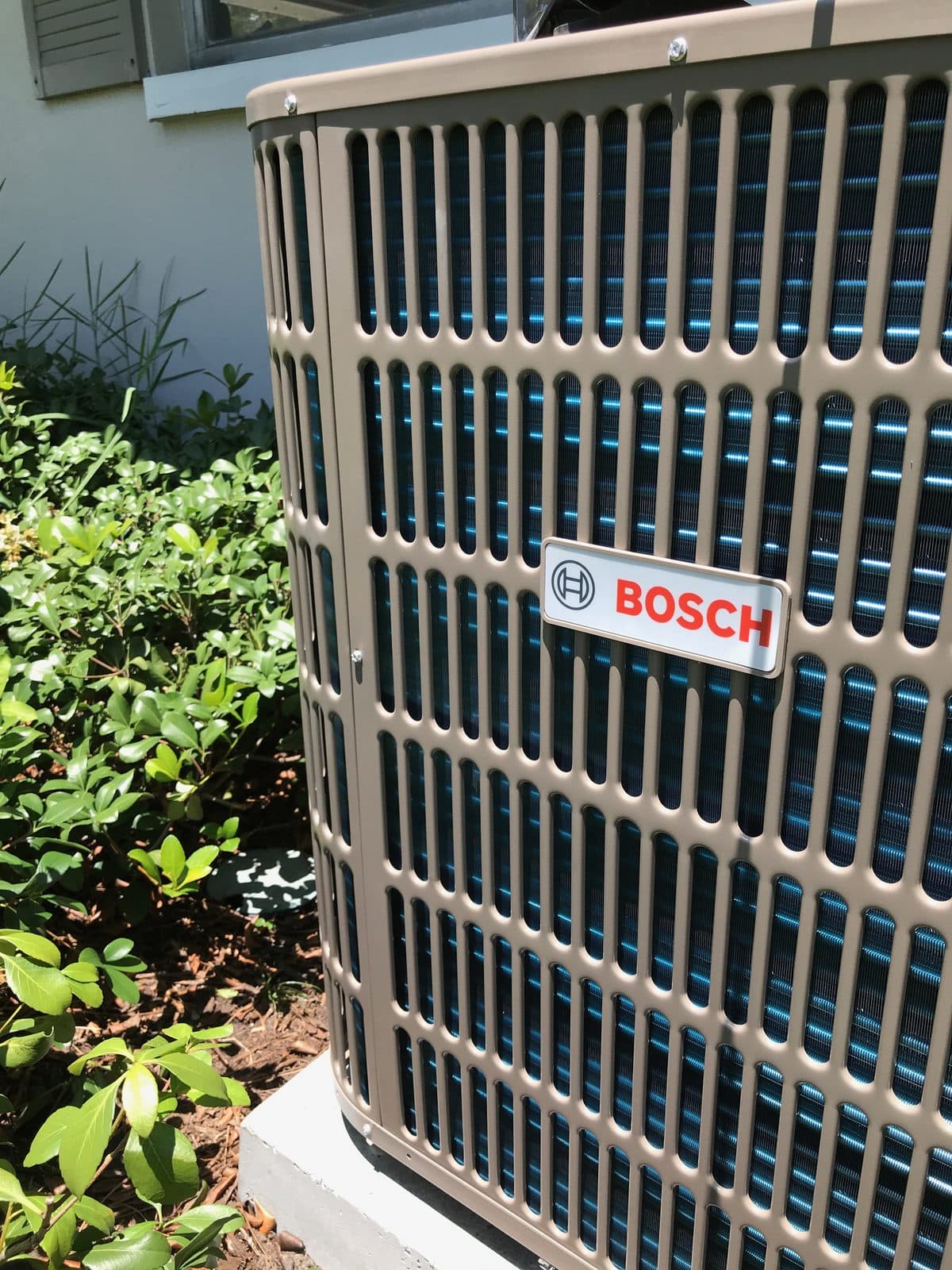
Some outdoor condensing units include a small reset button, often red, usually located on or near the unit's exterior housing or service panel area where it can be reached without opening anything up. If your unit has one, pressing it clears a tripped internal safety and allows the system to attempt a restart, similar in effect to cycling the breaker. Press it once, firmly, and release. If it clicks and the system comes back to life, the button did its job.
It is important to understand two things. First, not all air conditioners have a visible reset button. Many modern systems handle this function entirely through the control board and the breaker, so if you cannot find a button, that is normal and not a sign anything is wrong. Do not go hunting inside panels or removing covers to look for one. Second, a reset button that has tripped, like a lockout, tripped for a reason. If you press it and the system runs fine, good. If you press it and it trips again shortly after, that is the unit telling you a genuine fault is present. Pressing it repeatedly to force the system to run overrides a protection that exists to prevent damage, and that is the point to stop and get it looked at rather than keep pressing.
Check these before you assume it needs a reset
Several ordinary conditions mimic a system that needs resetting, and checking them first can save you the trouble entirely. Start with the breaker. If the breaker serving the air conditioner has tripped, the unit has no power at all and simply flipping it back may restore operation. Look for a breaker that sits in the middle or off position compared to its neighbors. Reset it once, firmly to off and then to on.
Next, check the condensate drain. Air conditioners produce water as they dehumidify, and that water drains away through a pipe and collects in a pan. Many systems have a float safety switch that shuts the whole system off on purpose when the drain clogs and the pan fills, so it does not overflow and cause water damage. If your system quit on a hot, humid day, a full pan is a very common cause. If the drain pan is accessible and you can see standing water, carefully clearing or emptying it may release the switch and let the system run. This is within reach for a homeowner as long as it means only looking at and clearing an accessible pan, nothing more.
Finally, check the thermostat itself. Confirm it is set to COOL, that the temperature setpoint is actually below the room temperature, that the fan setting is correct, and that its batteries, if it uses them, are fresh. A thermostat in the wrong mode or with dead batteries can look exactly like a dead air conditioner. Ruling these out first tells you whether you even need a reset.
When a reset is masking a real problem
The most useful thing to understand about resetting an air conditioner is when to stop. A reset clears a temporary lockout. It does not fix anything mechanical. So if you find yourself resetting the same unit again and again, the reset is no longer helping; it is hiding a fault that is getting worse each day it goes unaddressed.
Repeated lockouts point to real problems. A breaker that keeps tripping usually signals an electrical fault or a component drawing too much current, and forcing it back on into that fault is genuinely dangerous. A condensate pan that fills up again and again means the drain line is clogged and needs to be cleared properly. A system that starts and then quickly shuts down, or that runs but never cools, can indicate a failing run capacitor, a struggling compressor, or low refrigerant from a leak, none of which a reset can touch.
That is where the homeowner's role ends. Safe do-it-yourself actions are limited to the thermostat, the breaker, and checking or clearing an accessible condensate drain. Do not open the electrical compartment, do not attempt to test or replace a capacitor, and never handle refrigerant; those carry shock, injury, and equipment-damage risks and are strictly technician work. The clearest hard stop is a breaker that trips a second time right after you reset it. Do not keep resetting it. Turn it off, leave it off, and call a licensed HVAC professional. Repeatedly resetting into a fault can damage the compressor or create a fire hazard, and at that point the safe and cheaper path is a proper diagnosis.
Frequently asked
How long should I wait before turning my AC back on after a reset?
Wait at least a few full minutes with the power off. Air conditioners have a built-in compressor time delay that prevents the compressor from restarting against high pressure. Waiting several minutes lets internal refrigerant pressures equalize and lets that delay clear, so the system restarts safely. When you switch it back on, also expect a short delay before the outdoor unit runs; that pause is normal and protective.
Where is the reset button on an air conditioner?
If your outdoor unit has one, the reset button is usually a small, often red button on or near the unit's exterior housing, reachable without removing panels. Many modern systems do not have a visible button at all and are reset through the breaker instead, so not finding one is normal. Do not remove covers or open compartments to search for a button.
Why does my AC keep needing to be reset?
Repeated resets mean a reset is masking a real fault rather than fixing it. Common causes include a breaker tripping on an electrical fault, a condensate drain that keeps clogging and filling the safety pan, a failing capacitor, or low refrigerant from a leak. None of these are solved by resetting. If the unit will not stay running, it needs a professional diagnosis rather than another reset.
Is it safe to keep resetting a breaker that trips?
No. A breaker that trips again right after you reset it is signaling an electrical fault or an overloaded component, and forcing it back on can damage equipment or create a fire hazard. Reset a tripped breaker only once. If it trips a second time, leave it off and call a licensed HVAC professional to find the cause.
Do I need to call a pro for this?
No for the reset itself. What matters more is the limit: if a system needs resetting repeatedly, a safety device is doing its job and something is tripping it. Resetting again hides a fault that is still there. After the second time, stop and call a licensed contractor to find what is tripping it rather than clearing it a third time.
Related
Blume Mechanical Service is a licensed commercial and residential HVAC contractor serving Florida's Tampa Bay region (CAC-1822618). If a reset does not bring it back and you are in our area, we can diagnose it.
Last updated: 2026-11-05
Sources: US Department of Energy — air conditioner operation · General HVAC engineering principles (compressor short-cycle protection, safety switches) · Manufacturer operation guidance (generalized, no model-specific steps)