
Pinellas County · Florida CAC-1822618
Heating Repair in Largo, FL and Pinellas County
When the thermostat calls for heat and the house stays cold, two questions matter: what is safe to check yourself, and when to stop. This page covers heating repair in Largo, FL and across Pinellas County for homeowners whose heat pump or electric strip heat failed on a cold morning. It explains how Florida homes heat, the checks you can do safely, the common failures, the point where you shut the system off and call a licensed contractor, and how to reach Blume Mechanical Service.
How Florida homes heat: a heat pump backed by strip heat
Most Florida homes heat with a heat pump backed by electric strip heat. Knowing which of the two is failing helps explain what you see and hear when heat stops.
The heat pump
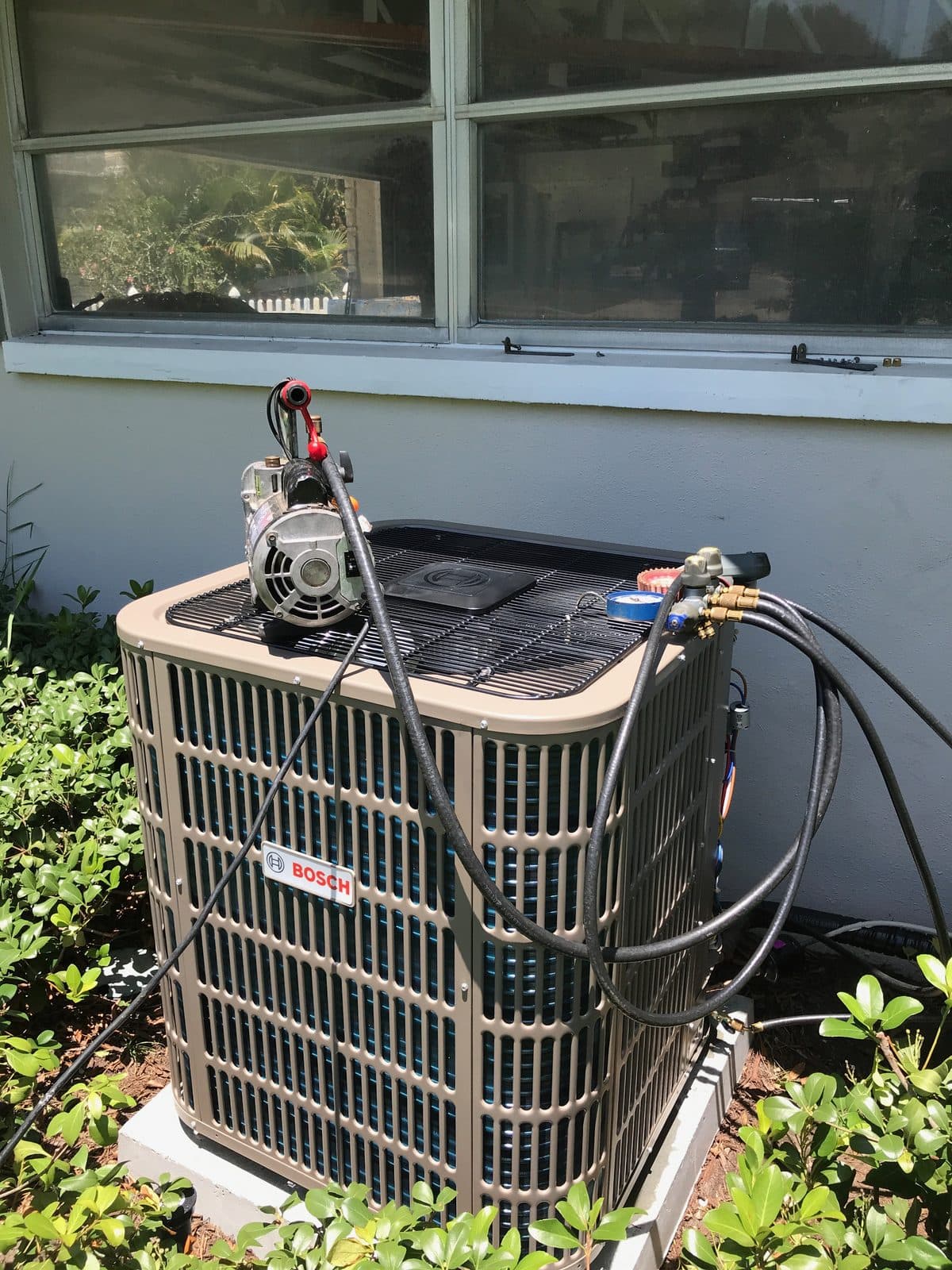
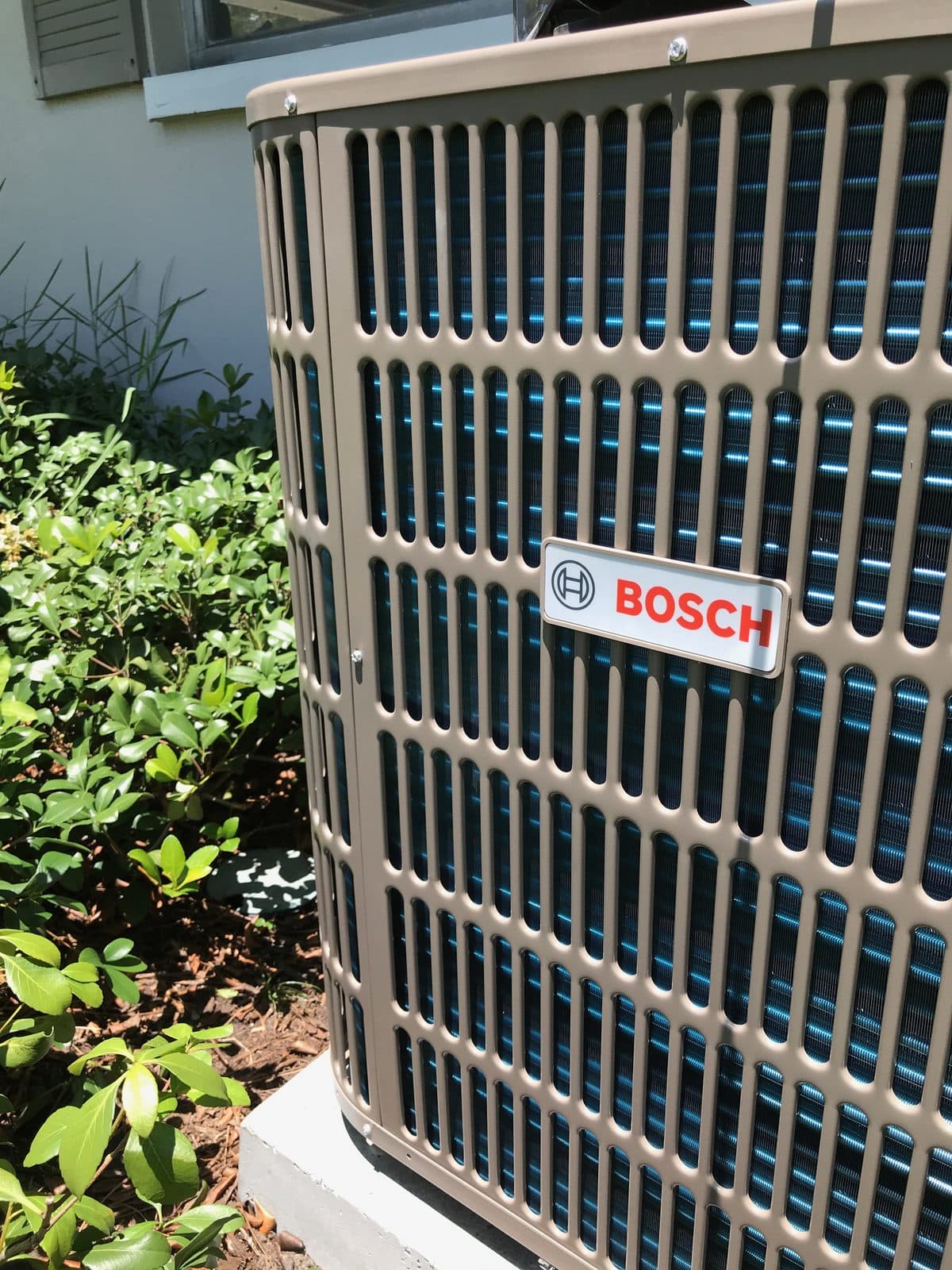
A heat pump works like an air conditioner that can run in reverse. In heating mode it uses refrigerant to collect heat from the outdoor air and carry it inside, and a reversing valve switches the system between cooling and heating. Because it moves heat instead of making it, the air from the vents feels warm, not hot.
Electric strip heat
Strip heat is a set of electric resistance elements inside the indoor air handler. When the heat pump alone cannot keep up, the thermostat brings the strips on to add heat, and many systems also use them during defrost. Because strip heat turns electricity directly into heat, it uses more electricity than the heat pump for the same warmth, so it is a backup, not the main source.
Emergency heat
The thermostat's emergency heat setting tells the system to skip the heat pump and run on strip heat alone. It exists for the day the outdoor unit stops working and you need heat until a technician arrives; it is not a setting to leave on for convenience. For more, see our guide to emergency heat.
Defrost cycles are normal
On a cold, damp morning, frost can form on the outdoor coil, and the system runs a defrost cycle to melt it. The outdoor fan usually stops, vapor may rise from the unit, and the indoor air may feel cooler for a while. That is normal; an outdoor unit that stays encased in ice is not.
Why heat fails on the first cold morning
A Florida heating system sits idle for most of the year, so a corroded relay, a burned-out strip element or a nicked thermostat wire can go unnoticed until the first real cold morning. The fault looks sudden, but it was only discovered. Test your heat on a mild day in late fall, before you depend on it. A faint, dusty smell for a short while on first use is normal, because dust burns off the strip elements as they warm. For more on first-morning failures, see Heater Not Working in Florida.
First checks you can do safely
These checks need no tools and no opened panels.
Thermostat
Confirm it is set to Heat, not Cool or Off, with a set point above the room temperature. If the screen is blank or dim, replace the batteries. Look for a hold or schedule setting that overrides what you want.
Filter and vents
A clogged filter restricts airflow, which can make a system underperform or shut down on a safety limit. Replace the filter if it is dirty, and make sure supply vents and return grilles are open and unblocked.
Breakers
If a breaker for the indoor or outdoor unit has tripped, switch it fully off and back on one time. If it trips again, leave it off. That is a hard stop.
The outdoor unit: look, do not open
From a safe distance, check that the unit is clear of leaves and debris and that its fan is turning (it pauses in defrost). Do not chip at ice with tools or remove any panel.
Feel the air at a vent
Warm, not hot, air is normal for a heat pump. Air that is genuinely cold and stays cold points to the reversing valve, the strip heat or the controls, and those are professional repairs.
If the heat pump is not heating, try emergency heat
If the outdoor unit is not running or the air stays cool, switching to emergency heat runs the strip heat alone and may keep the house warm while you wait for service. If the air is still cool in emergency heat, the strip heat or the controls are likely at fault, and the next step is a phone call.
Common heating failures
If the safe checks do not bring heat back, one of these is usually behind it.
- Thermostat or control fault. A dead thermostat, a failed control board or a damaged low-voltage wire can leave the whole system unresponsive even though the equipment is fine. The usual sign is that nothing runs at all.
- Outdoor unit will not start. If the indoor blower runs but the outdoor unit stays silent, the usual suspects are electrical: a failed capacitor, a worn contactor or a motor problem. Capacitors can hold a charge with the power off, so this is not homeowner work.
- Reversing valve. If the valve sticks, the system can run but fail to switch properly into heating, so the air stays cool. The valve is part of the refrigerant circuit, so this repair belongs to a technician.
- Failed strip heat. Strip elements can burn out, and the relays or safety limits that control them can fail. The telling sign is cool air in emergency heat, when the strips are the only heat source.
- Low refrigerant. Refrigerant circulates in a sealed loop and is not used up, so a heat pump that is low has a leak, perhaps at a flare fitting or a coil. Adding refrigerant without finding the leak does not solve the problem. Finding and repairing the leak, then charging the system correctly, is work for a trained technician.
- Airflow and ice. Leaking ducts, a failing blower motor or a blocked return can leave a house cold even while the equipment makes heat. If the defrost controls fail, the outdoor unit can build up heavy ice and stop moving heat into the house.
The hard stop: when to shut it off and call
Some symptoms mean you stop using the system and do not restart it yourself.
- Smell or smoke. A smell that lasts past first use, grows stronger, smells sharply electrical like burning plastic, or comes with visible smoke is a fault. Turn the system off at the thermostat, and at the breaker if you can reach it safely. If you see flames or a lot of smoke, leave the house and call emergency services.
- A breaker that trips twice. If it trips again after one reset, leave it off and call.
- Ice that will not clear. If the outdoor unit stays covered in ice, switch the thermostat to emergency heat or Off and do not chip at the ice.
- A gas smell. If your home has a gas-fired heating system and you smell gas, leave the house right away, do not operate light switches or appliances, and call the gas utility or emergency services from outside.
- Anything that means opening a panel. Do not touch wiring, capacitors or refrigerant lines.
While you wait for service, never use a gas oven, a grill or any fuel-burning device not made for indoor use as a heater; carbon monoxide is a serious risk.
What a yearly heat pump service checks
According to the U.S. Department of Energy's Energy Saver guidance on heat pumps, a professional should service a heat pump at least once every year. Restated in plain terms, the visit covers the air side: ducts are checked for leaks and sealed, and the fan blades, scrolls, vanes, filters and grilles are inspected and cleaned. It covers the refrigerant connections and coils: flare fittings are tested for leaks, and the condenser and evaporator coils are inspected and cleaned. It covers the electrical side and operation: voltage, current draw and wiring are inspected, the start and stop sequence and the heating-to-cooling changeover are tested, and test runs are performed. It also checks that the indoor and outdoor units are level and their mounts are intact. A visit like this gives a technician the chance to find a worn part before the first cold morning does.
Repair or replace
Not every heating failure calls for a new system, and not every old system is worth repairing. The answer depends on the whole system and on which part failed, not on age alone. We lay out repair and replacement options side by side, and we do not sell equipment a building does not need. When replacement is the right call, we size the new system with an ACCA Manual J load calculation and Manual S equipment selection, not a rule-of-thumb swap, and we commission it with measured static pressure, airflow and refrigerant charge, documented. Financing is available through Synchrony Bank.
Heating equipment Blume services in Largo and Pinellas County
Blume Mechanical Service installs and services split-system heat pumps, ductless heat pumps, gas-fired package unit heating systems, heat-pump package unit heating systems and commercial rooftop HVAC units. We are brand-agnostic: as a licensed contractor we sell, install and service all major manufacturers' equipment. Blume Mechanical Service, LLC is a Class A licensed Florida mechanical contractor, residential and commercial, Florida license CAC-1822618, and is fully insured. We are based in Belleair Bluffs and serve Pinellas, Hillsborough and Pasco counties, which includes Largo.
Heating repair FAQ
Why is my heat pump not heating?
Check that the thermostat is set to Heat, then consider whether the unit is in a defrost cycle, which is normal and temporary. Remember that heat pump air feels warm, not hot. If the air is genuinely cold and stays cold, the fault is usually in the reversing valve, the strip heat or the controls, and those are professional repairs.
Should I use emergency heat?
Use it when the heat pump is not working and you need to keep the house warm until service arrives. It runs the strip heat alone, which uses more electricity, so it is a short-term measure. If the air is still cool in emergency heat, call for service.
Is emergency heating repair available in Largo?
Blume provides 24/7 emergency HVAC service, with same-day response available based on location and technician availability. Largo is in Pinellas County, which Blume serves along with Hillsborough and Pasco counties. Paid priority scheduling is also available.
For heating repair in Largo and Pinellas County, call Blume Mechanical Service at 727-330-9131.