
AC Inspection in St. Petersburg: Stay Cool Before Problems Start
In St. Petersburg, where long, humid summers put constant strain on home cooling systems, scheduling a professional AC inspection is one of the smartest ways to protect comfort and efficiency. Whether you live near downtown St. Pete, Kenwood, Shore Acres, or along the Gulf beaches, your air conditioner works hard against Florida heat, salt air, and moisture.
A routine AC inspection helps catch issues early before they turn into expensive repairs or sudden breakdowns. Two common causes of AC trouble in St. Petersburg are clogged air filters and corrosion from coastal humidity. Dirty filters restrict airflow, forcing the system to work harder and reducing indoor comfort. At the same time, salt and moisture in the air can wear down coils, electrical components, and metal parts faster than many homeowners expect.
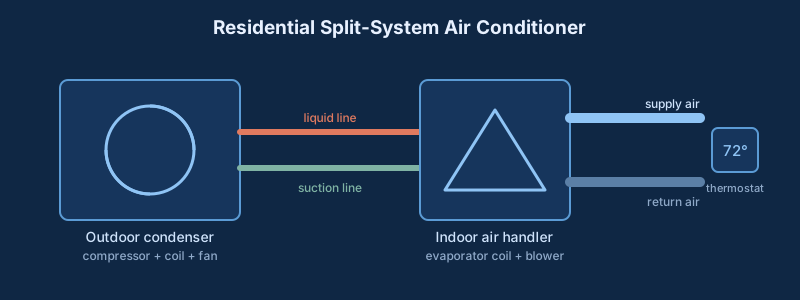
During an inspection, a trained technician can check refrigerant levels, inspect electrical connections, test airflow, clean key components, and make sure your system is operating safely and efficiently. This kind of preventive service is especially important before peak summer temperatures arrive.
For a simple DIY tip, check and replace your air filter every 1 to 3 months, especially if you have pets or run your AC daily. Keeping vents open and clear can also improve circulation and reduce unnecessary strain on the unit.
If your system hasn’t been inspected recently, now is the time to act. Schedule your AC inspection in St. Petersburg today and enjoy reliable cooling, lower energy costs, and peace of mind all season long.
AC Inspection in St. Petersburg: A Homeowner’s Quick Guide
If your air conditioner is struggling to keep up in St. Petersburg’s heat and humidity, an AC inspection can help catch small issues before they turn into costly repairs. Whether your system is blowing warm air, cycling too often, making unusual noises, or simply hasn’t been checked in a while, a professional inspection gives you a clear picture of its condition and performance.
This guide explains what an AC inspection includes, the most common root causes behind AC problems, two practical next steps, typical inspection and repair costs in St. Petersburg, and answers to common homeowner questions.
Why AC Inspections Matter in St. Petersburg
St. Petersburg homeowners depend heavily on air conditioning for most of the year. With long cooling seasons, salty coastal air, high humidity, and frequent summer storms, HVAC systems in this area face more wear than systems in milder climates. Even if your AC appears to be working, hidden issues like low refrigerant, dirty coils, clogged drain lines, or electrical wear can reduce efficiency and shorten the system’s lifespan.
A routine AC inspection helps identify:
- Reduced cooling efficiency
- Airflow restrictions
- Refrigerant issues
- Dirty evaporator or condenser coils
- Thermostat problems
- Electrical component wear
- Condensate drain blockages
- Early signs of compressor or fan motor failure
In many cases, catching these issues early can help you avoid emergency breakdowns during the hottest months.
Common Root Causes of AC Problems
When an air conditioner starts underperforming, the issue is often caused by one or more of the following:
Dirty air filters: A clogged filter can restrict airflow, making the system work harder and reducing indoor comfort.
Low refrigerant: Leaks or undercharged refrigerant can cause poor cooling, frozen coils, and longer run times.
Dirty coils: Coastal conditions in St. Petersburg can contribute to buildup on condenser coils, reducing heat transfer and system efficiency.
Clogged condensate drain lines: High humidity means your system removes a lot of moisture. If the drain line clogs, it can trigger shutdowns or lead to water damage.
Electrical wear and tear: Capacitors, contactors, and wiring connections can degrade over time, especially in systems that run frequently.
Thermostat or sensor issues: Incorrect readings or poor calibration can cause uneven cooling or short cycling.
Aging equipment: If your system is older, worn components may begin to fail more often, reducing reliability and increasing repair costs.
A thorough AC inspection is designed to pinpoint which of these issues is affecting your system.
What Happens During an AC Inspection
A standard AC inspection typically includes a visual and performance-based review of major system components. Depending on the contractor, services may include:
- Checking thermostat operation
- Inspecting air filter condition
- Measuring airflow
- Examining refrigerant levels and pressures
- Inspecting evaporator and condenser coils
- Testing electrical components and connections
- Checking capacitor and contactor performance
- Inspecting blower motor and fan operation
- Flushing or checking the condensate drain line
- Looking for signs of leaks, corrosion, or rust
- Evaluating overall system performance and safety
After the inspection, the technician should explain any findings and recommend whether your system needs maintenance, repair, or further diagnostics.
2 Smart Next Steps
1. Schedule a professional AC inspection before peak summer demand
If your AC hasn’t been checked in the last year, scheduling an inspection before temperatures spike is one of the best ways to reduce breakdown risk. Spring and early summer appointments are often easier to book, and you may be able to address minor issues before they become urgent.
2. Act quickly on small repair recommendations
If the inspection uncovers a weak capacitor, clogged drain line, dirty coil, or low refrigerant, it’s usually wise to fix the problem early. Delaying minor repairs can lead to higher energy bills, weaker cooling performance, and larger component failures later.
Costs can vary based on your system type, accessibility, and whether additional service is needed, What each type of visit covers, and what changes its price:
- Basic AC inspection: a visual and operating check. The price depends on how many systems the home has and how easily the air handler can be reached.
- Inspection with tune-up or maintenance visit: adds cleaning and adjustment to the inspection, so it takes longer. It is often included in a maintenance plan.
- Drain line cleaning: a routine flush is quick. A line that has already backed up may need the trap, pan and float switch serviced too.
Talk to a licensed Blume technician
For federal efficiency ratings and rebate eligibility we point homeowners to ENERGY STAR heating & cooling rather than making those claims ourselves.
Call (727) 330-9131Related HVAC Services
Browse all HVAC services · find your city