
HVAC, explained
Heat Pump vs Straight-Cool Air Conditioner
A straight-cool air conditioner only cools, so it needs a separate heat source such as a furnace or electric strip heat to keep the house warm in winter. A heat pump is essentially the same machine with one extra part that lets it run in reverse, so it can both cool in summer and heat in winter. In short, straight-cool does one job and a heat pump does both.
Shopping for a new system, you will run into two terms that sound very different but describe machines that are nearly identical: the straight-cool air conditioner and the heat pump. The confusing part is that they share most of the same hardware. Understanding the one difference between them, and what each one relies on for heat, is what makes the right choice obvious for a given home.
The same machine, one extra part
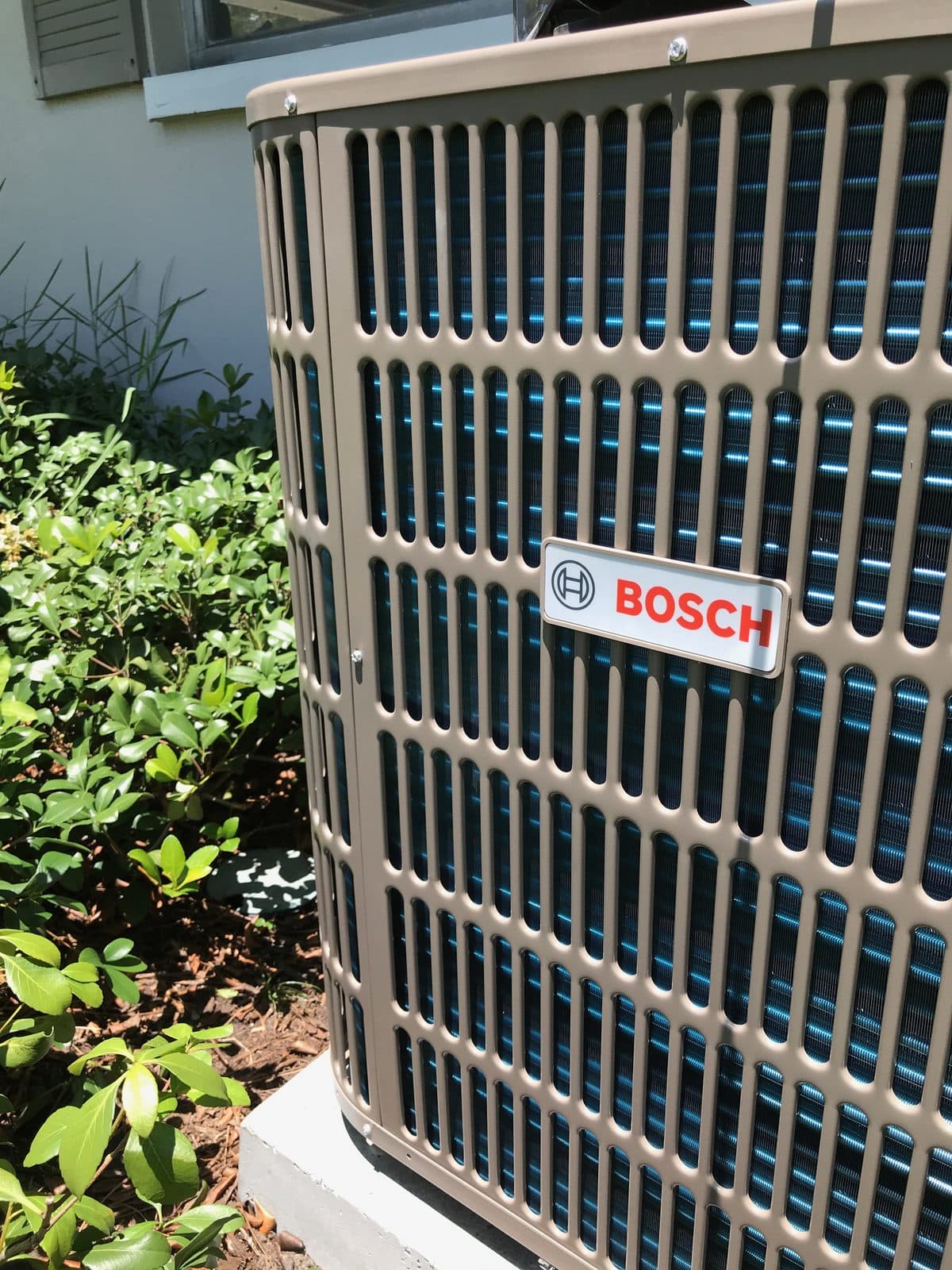
A straight-cool air conditioner and a heat pump are, mechanically, almost the same appliance. Both use a refrigeration cycle to move heat from one place to another. That is worth pausing on: an air conditioner does not create cold. It moves heat. Refrigerant circulates between an indoor coil and an outdoor coil, absorbing heat where it is warm and releasing it where you want it gone. In cooling mode, the system pulls heat out of the indoor air and dumps it outside, which is why the air coming from your vents feels cold and the outdoor unit blows warm. The difference between the two systems comes down to a single component: the reversing valve. A heat pump has one; a straight-cool unit does not. That valve lets a heat pump run the refrigeration cycle in either direction. In summer, it moves heat out of the house, exactly like any air conditioner. In winter, it reverses the flow of refrigerant and moves heat into the house instead, pulling warmth from the outdoor air, even cool outdoor air, and delivering it indoors. A straight-cool unit can only run the cycle one direction. It cools, and it physically cannot heat. Everything else, the compressor, the coils, the fan, the refrigerant lines, is broadly the same. This is why the two systems look nearly identical sitting in a yard and why the practical decision is less about the boxes themselves and more about how each one handles the heating season. It also explains a common source of confusion: people assume a heat pump must be a fundamentally different, more exotic technology than an air conditioner, when in truth it is the ordinary air conditioner with the ability to run backwards. If you already trust an air conditioner to move heat out of your home every summer, you already understand most of what a heat pump does. The heating capability is simply the same process pointed the other direction, and the outdoor unit that felt warm to the touch while cooling becomes the unit quietly gathering warmth from outdoor air in winter.
What each one needs for heat
Because a straight-cool air conditioner cannot heat, a home built around one always needs a separate heat source. The two common options are a gas furnace or electric resistance strip heat installed in the air handler. A gas furnace burns fuel to produce heat and is a completely independent system that happens to share the same ductwork as the cooling equipment. Electric strip heat works like a giant toaster: current runs through resistance elements and they glow hot, warming the air passing over them. Either way, the cooling side and the heating side are two distinct systems working through shared ducts. A heat pump changes that arrangement. Because it can run in reverse, it provides its own heat and does not require a furnace at all. Most heat pump installations still include electric strip heat, but only as backup, sometimes called auxiliary or emergency heat, for the coldest stretches when the outdoor air is too cold for the heat pump to keep up on its own. During normal winter weather, the heat pump does the heating using the refrigeration cycle, and the strips stay off. That distinction, primary heat versus backup heat, is the crux of the comparison. With a straight-cool system, your heat source is the main event. With a heat pump, the same machine that cools your home is also your main heat source, and any strip heat is a supporting player.
When straight-cool makes sense
A straight-cool air conditioner is the right call in a few clear situations. The most common is a home that already has, or wants, a gas furnace doing the heating. If the furnace is the plan for winter warmth, then the cooling equipment only needs to do one job in summer, and a straight-cool unit does exactly that with no redundant capability. Pairing a good gas furnace with a straight-cool AC is one of the most common and sensible setups in the country, especially in colder regions. When winters are genuinely cold and sustained, a furnace can deliver strong, steady heat regardless of how low the outdoor temperature drops, and the straight-cool AC simply handles the summer. There is nothing outdated about this arrangement; it is a deliberate division of labor. Straight-cool can also make sense where an inexpensive electric strip heat source is acceptable, for example in a mild climate where the heat is rarely needed, or in a situation where low upfront cost matters more than winter operating efficiency. The key point is that straight-cool is not a lesser choice; it is the correct choice when the heating is already handled well by something else, particularly a furnace, and the cooling equipment just needs to cool.
When a heat pump makes sense
A heat pump shines in mild and moderate climates, where it can do both jobs efficiently from a single system. In those conditions, a heat pump is often the better choice than a straight-cool AC paired with electric strip heat, because running a heat pump for warmth is far more efficient than running resistance strips. The reason is fundamental to how the two heat: strip heat converts electricity directly into heat, while a heat pump uses electricity to move existing heat from outside to inside. Moving heat takes much less energy than making it, so a heat pump delivers several times more heat per unit of electricity than resistance heating does. In warm climates especially, a heat pump is frequently the natural default. You need an air conditioner regardless, and a heat pump is that air conditioner plus efficient heating for the handful of cold days the region sees each year. Instead of installing a cooling-only unit and then relying on expensive strip heat for those occasional cold snaps, you get both capabilities in one machine that heats efficiently when called on. As electric strip heat becomes the fallback rather than the main source, winter operating costs come down. For any home where a gas furnace is not already in the picture, and where winters are mild to moderate, the heat pump usually earns its place by covering the whole year from one system.
The real question is how you pay for heat
Strip away the labels and the choice between a straight-cool AC and a heat pump is really a question about heat: what source you use, and what it costs to run. The two machines themselves are close cousins. A heat pump and a straight-cool air conditioner of similar capacity are built around the same core components, so the equipment difference between them is smaller than most people expect. The bigger cost question is not the box in the yard; it is the heat source attached to the system. A straight-cool unit paired with electric strip heat leans on resistance heating all winter, which is a comparatively expensive way to make warmth. A straight-cool unit paired with a gas furnace shifts the winter cost onto fuel and gives you a strong, independent heat source. A heat pump uses the efficient refrigeration cycle to move heat for most of the season, reserving any strip heat for the coldest days. So the honest way to frame the decision is not straight-cool versus heat pump as machines, but how you want to pay for heat: efficient heat-pump operation, gas fuel through a furnace, or resistance strips. That is why the right answer depends on your climate, your existing equipment, and your fuel options. A home in a warm region with no gas service and mild winters points one way; a home in a cold region with an established gas line and long, hard winters points another. Neither points to a machine that is inherently better, only to a heating strategy that fits the conditions. A proper load calculation, which sizes the system to the actual home rather than a rule of thumb, is where that decision should start, because it grounds the comparison in your house instead of a generic assumption. It accounts for the building's insulation, its windows, its air leakage, and the real climate it sits in, and it prevents the common mistake of oversizing equipment. Once the load is known, the straight-cool versus heat pump question tends to answer itself, because the numbers make the cost of each heating path visible rather than hypothetical.
Frequently asked
What is a straight-cool air conditioner?
A straight-cool, or cooling-only, air conditioner is a system that can only cool. It uses the refrigeration cycle to move heat out of your home in summer, but it cannot reverse to provide heat. Because of that, a straight-cool system always needs a separate heat source, such as a gas furnace or electric strip heat, to keep the home warm in winter.
What is the difference between a heat pump and an air conditioner?
They are nearly the same machine. A standard air conditioner is straight-cool: it only cools. A heat pump adds one component, a reversing valve, that lets it run the refrigeration cycle in both directions, so it can cool in summer and also heat in winter. In other words, a heat pump is an air conditioner that can also work in reverse to warm the house.
Is a heat pump more efficient than strip heat?
For heating, yes, and by a wide margin. Electric strip heat converts electricity directly into heat, while a heat pump uses electricity to move existing heat from outdoor air into the home. Moving heat takes far less energy than creating it, so a heat pump delivers several times more heat per unit of electricity than resistance strips. That is why heat pumps often relegate strip heat to backup duty for only the coldest days.
Do I need a furnace if I have a heat pump?
No. Because a heat pump provides its own heat, it does not require a furnace. Most heat pump installations include electric strip heat as backup for the coldest conditions, but the heat pump itself handles normal winter heating. A furnace is only necessary with a straight-cool system, which cannot heat on its own, or in cold climates where an owner specifically wants a fuel-burning primary heat source.
Do I need to call a pro for this?
No. Which one you have is a label question, and you can often tell from whether the system heats at all. It matters at replacement time, because the price gap is small and the choice changes what you pay to heat the house on the handful of cold nights. Ask for both on the quote.
Related
Blume Mechanical Service is a licensed commercial and residential HVAC contractor serving Florida's Tampa Bay region (CAC-1822618). If you are in our area and choosing between systems, a load calculation is where that decision should start.
Last updated: 2026-11-05
Sources: US Department of Energy — heat pumps and central air conditioners · ENERGY STAR — heating and cooling equipment · General HVAC engineering principles (refrigeration cycle, reversing valve)