
Hillsborough, Pinellas, Pasco, Manatee, Sarasota, Polk and Hernando Counties · Florida CAC-1822618
Commercial AC Not Cooling in Tampa Bay, Florida
When commercial cooling equipment runs but the space will not hold temperature, the cause is usually upstream of the refrigerant circuit — most often a condenser coil that cannot reject heat. Blume works the diagnosis in order rather than starting at the gauges. Florida license CAC-1822618.
A commercial unit that runs without cooling is rarely a mystery once it is measured, but it is frequently misdiagnosed because the obvious move — connecting gauges — produces readings that look like a refrigerant problem when the actual fault sits somewhere else entirely. A condenser coil that cannot reject heat drives head pressure up. Restricted airflow drives suction pressure down. Both produce
What is actually happening
A commercial unit that runs without cooling is rarely a mystery once it is measured, but it is frequently misdiagnosed because the obvious move — connecting gauges — produces readings that look like a refrigerant problem when the actual fault sits somewhere else entirely. A condenser coil that cannot reject heat drives head pressure up. Restricted airflow drives suction pressure down. Both produce pressure readings that a technician can 'correct' by adding or removing refrigerant, which makes the system worse and hides the real condition.
The diagnostic order
Confirm the unit is actually running. Compressor, condenser fan and supply fan, all three. A supply fan running without a compressor is a different problem than a unit that is not running at all.
Check supply air temperature against design discharge. This tells you whether the equipment is producing cooling, separately from whether the space is receiving it.
Check return air temperature. If return air is very high, the unit may be cooling correctly and simply facing a load beyond what it was designed for — which is a load problem, not an equipment fault.
Check refrigerant pressures. Low suction suggests low charge or a restriction. High head suggests a condenser issue or an overcharge. Read these knowing what the previous steps showed.
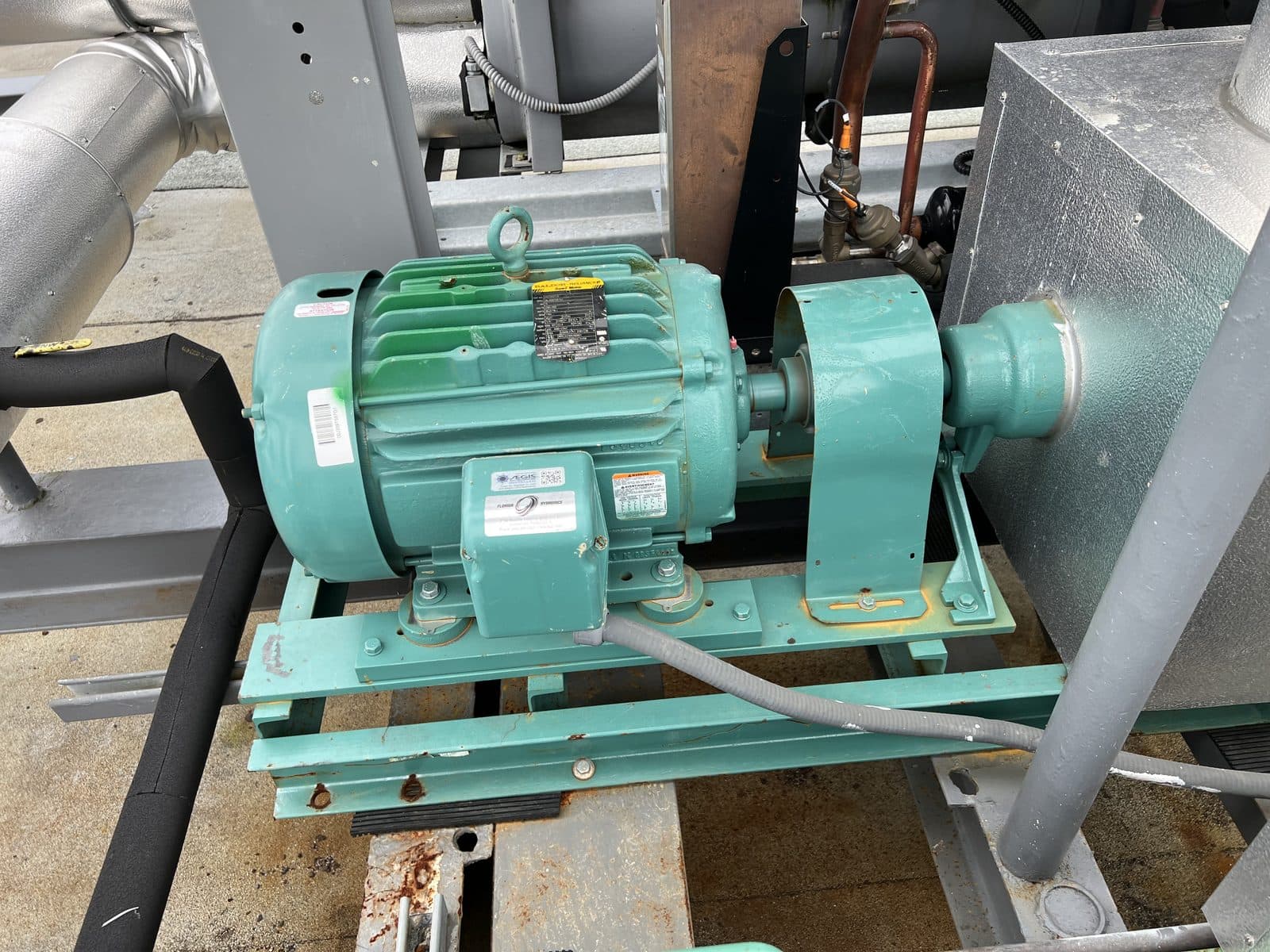
Check the condenser coil. A fouled coil is the single most common field finding on this call, and it explains high head pressure without any refrigerant fault existing at all.
Check the economizer if equipped. A stuck-open economizer on a hot day is pulling outside air into a system that is trying to cool the building.
Where an untrained person has to stop
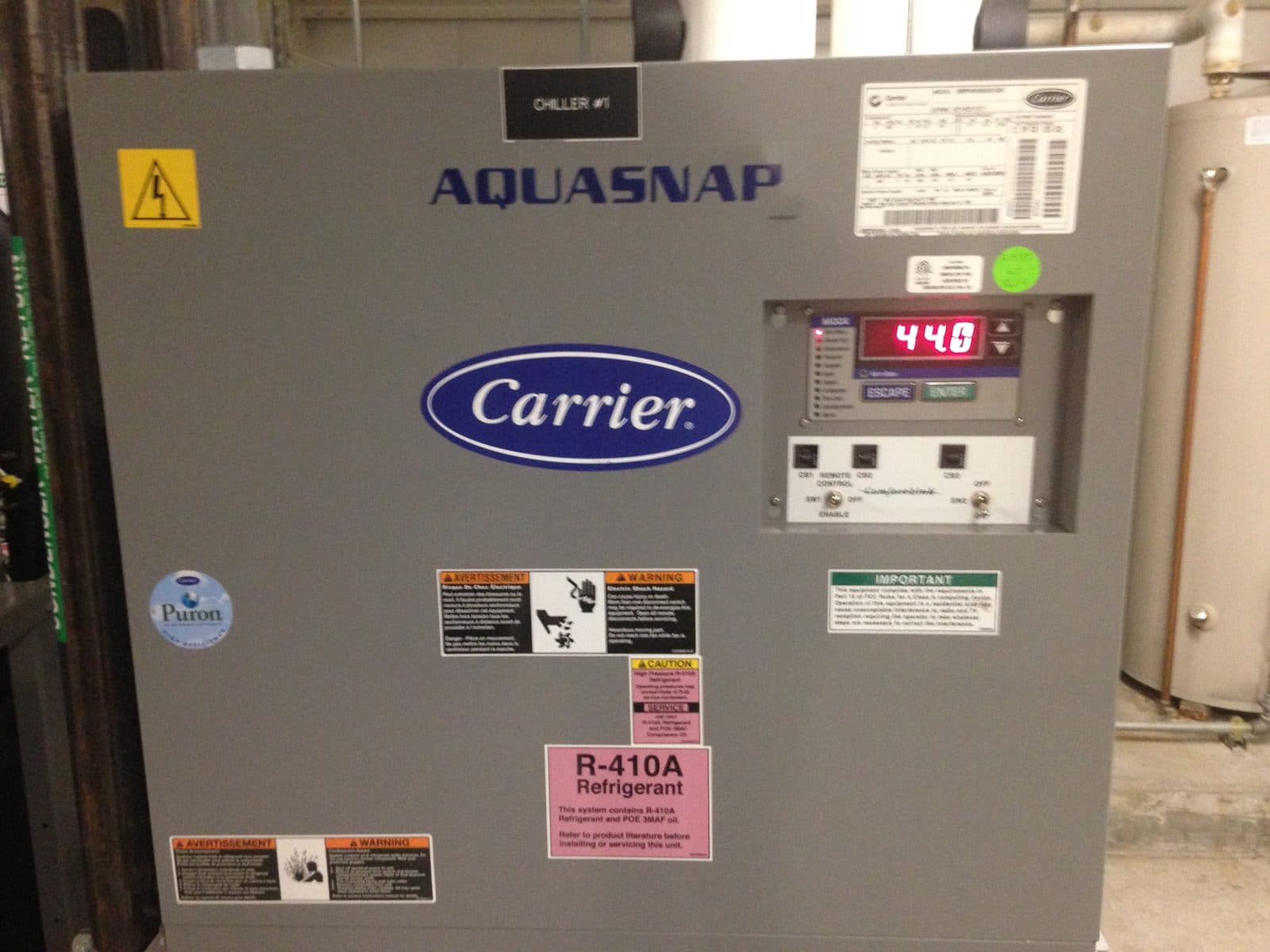
The refrigerant circuit is the hard stop. If pressures are abnormal, diagnosis and repair require EPA Section 608 certification and the right recovery and charging equipment — this is federal law, not a preference.
And the rule that matters most: never add refrigerant without finding and fixing the leak. Refrigerant is not consumed. A system that is low has a leak, and topping it off treats the symptom while leaving the cause running — which means the same call happens again, and the compressor spends the interval running on inadequate charge.
What Tampa Bay adds to this diagnosis
Two regional conditions change the odds on this call. The first is coastal exposure. Across Pinellas, coastal Manatee, Sarasota's barrier islands and the Gulf side of Pasco, salt-laden air attacks condenser coils continuously, and a corroded coil restricts heat rejection the same way a dirty one does — except that washing it will not restore capacity. On the coast, coil condition is a first-order question on a not-cooling call rather than a housekeeping check.
The second is the length of the cooling season. Commercial equipment here accumulates running hours that equipment in a milder climate does not, which means marginal conditions get exposed rather than tolerated. A coil that is thirty percent fouled might go unnoticed for years somewhere with a three-month cooling season. Here it produces a service call in August, because there is no slack left in the system to absorb it.
Both are reasons the diagnostic order matters more here than the same list would elsewhere. The conditions that produce misleading pressure readings are more common, not less.
What it costs to skip the order
The expensive version of this call is the one where someone connects gauges first, reads high head pressure, and concludes the system is overcharged. Refrigerant gets recovered from a system that was correctly charged, the actual problem — a condenser coil that could not reject heat — remains, and now the equipment is running undercharged on top of it. The second failure is worse than the first and it was caused by the repair.
In Tampa Bay the coil condition question carries extra weight. Salt-laden air on the coastal side of the region corrodes aluminum and copper continuously, and a corroded coil restricts heat rejection in exactly the way a dirty one does — except cleaning will not fix it. Establishing whether a coil is fouled, corroded or sound changes what every pressure reading afterward means, which is why it belongs before the gauges rather than after them.
What a facility manager can check before the technician arrives
A building owner or facility manager can safely rule out a few common causes before anyone opens a panel, and doing so sometimes shortens the visit or catches something a call-out was not needed for. Start at the thermostat: confirm it is set to cool, not to fan or off, and that the setpoint is actually below room temperature — a setpoint that drifted up, or a schedule that never dropped it, looks exactly like a unit that stopped cooling. Check the air filter next. A filter clogged solid chokes airflow across the evaporator, and the symptom at the register is weak, barely-cool air even though the equipment is running hard.
Then walk outside to the condensing unit. Look for anything blocking airflow — cardboard, landscaping overgrowth, stacked supplies, a trash bin pushed against the coil — and clear it, because a unit that cannot pull air across the coil cannot reject heat. Glance at the electrical panel for a breaker that has tripped, and note it rather than resetting it repeatedly. If there is a condensate drain you can see, check whether it is obviously overflowing or backed up, since a full pan can trip a safety switch and stop the unit.
That is the edge of what is safe. Do not open the refrigerant circuit, remove electrical covers, meter live terminals, or reset a breaker that keeps tripping — a breaker that trips again is telling you something is wrong, not that it needs another reset. Once the checks above come back clean, or a breaker will not hold, stop and call a licensed technician.
What documentation you should get after a not-cooling repair
A real commercial not-cooling repair produces numbers, not just a fixed unit and an invoice. Ask for the measurements the technician took: refrigerant pressures read against the equipment's design conditions, superheat and subcooling, and the supply air temperature at the register or plenum. Those readings are how anyone confirms the system was actually brought back to where it should operate, rather than merely made to blow cold enough to end the call. Blume's approach is to measure and record on this kind of work for exactly that reason.
Just as important is a plain statement of what was found and why. If the fault was a fouled condenser coil, the record should say so and say what the coil condition was; if refrigerant was added, it should say that a leak was found and repaired first, because charge added without a documented leak repair is a recurring failure waiting to happen. That written finding is what lets the next technician start from evidence instead of guessing, which matters most when someone else takes the next call.
The record also protects you on warranty and on cost. Manufacturers and extended-coverage programs routinely ask for the readings and the diagnosis before they honor a claim, and equipment kept to documented conditions is easier to defend as properly maintained. Keep these records with the unit's history so each service builds on the last one rather than repeating it.
Frequently asked
My commercial unit runs constantly but the building is warm. Is it too small?
Possibly, but that is the last conclusion rather than the first. A condenser coil that cannot reject heat, restricted airflow, or an economizer stuck open all produce exactly this symptom on correctly sized equipment. Return air temperature and condenser condition separate a genuine capacity shortfall from a maintenance condition.
Can I just add refrigerant to get through the summer?
No, and it is worth understanding why. Refrigerant is not consumed — a system that is low has a leak. Adding charge without finding it means the same failure recurs, the compressor runs on inadequate charge in the meantime, and under EPA Section 608 the handling itself requires certification.
What can I safely check myself before I call?
A few things that need no tools and no panels. Confirm the thermostat is set to cool with the setpoint below room temperature, check that the air filter is not clogged solid, clear anything blocking airflow at the outdoor unit, and note whether a breaker has tripped or a visible condensate drain is overflowing. Do not open the refrigerant circuit, remove electrical covers, or keep resetting a breaker that trips again — at that point, stop and call a licensed technician.
What paperwork should I get after a not-cooling repair?
Ask for the measurements: refrigerant pressures against design, superheat and subcooling, and supply air temperature — plus a plain statement of what was found and, if charge was added, confirmation that a leak was located and repaired first. That record lets the next technician start from evidence instead of guessing, and manufacturers and coverage programs often require it before honoring a warranty claim.
Do I need a contractor for this?
Maybe. Start with the checks your own team can make: filters, the setpoint and schedule on the front end, and any alarm sitting on the unit. Between them they close a fair share of calls before a truck rolls. If airflow is normal and the space still will not hold setpoint, the cause is on the refrigerant, compressor or controls side, and that needs a licensed contractor with instruments on the unit.
Unit converter
Showing 1 therm in 4 other units
| Unit | Value |
|---|---|
| Btu | 100,000 |
| kWh | 29.31 |
| MMBtu | 0.1000 |
| Ccf (natural gas) | 0.9653 |
Used only for Ccf and therm conversions. Source: EIA, Heat Content of Natural Gas Consumed (U.S., 2025).
Sources: 1 therm = 100,000 Btu and 1 kWh = 3,412 Btu, from EIA. MMBtu from EIA. MBH from Wikipedia. 1 ton of refrigeration = 12,000 Btu/h from NIST. Ccf = 100 cubic feet from Wikipedia. — means no result for the current input.
Commercial equipment down in Tampa Bay? Talk to a licensed technician.
References: Blume field practice (Tye, via Leverage, 2026-07-24) · US EPA — Section 608 refrigerant handling certification · NFPA 70E / OSHA — electrical safe work practices, lockout/tagout · ASHRAE/ACCA Standard 180 — commercial HVAC inspection and maintenance